Condition Surveys

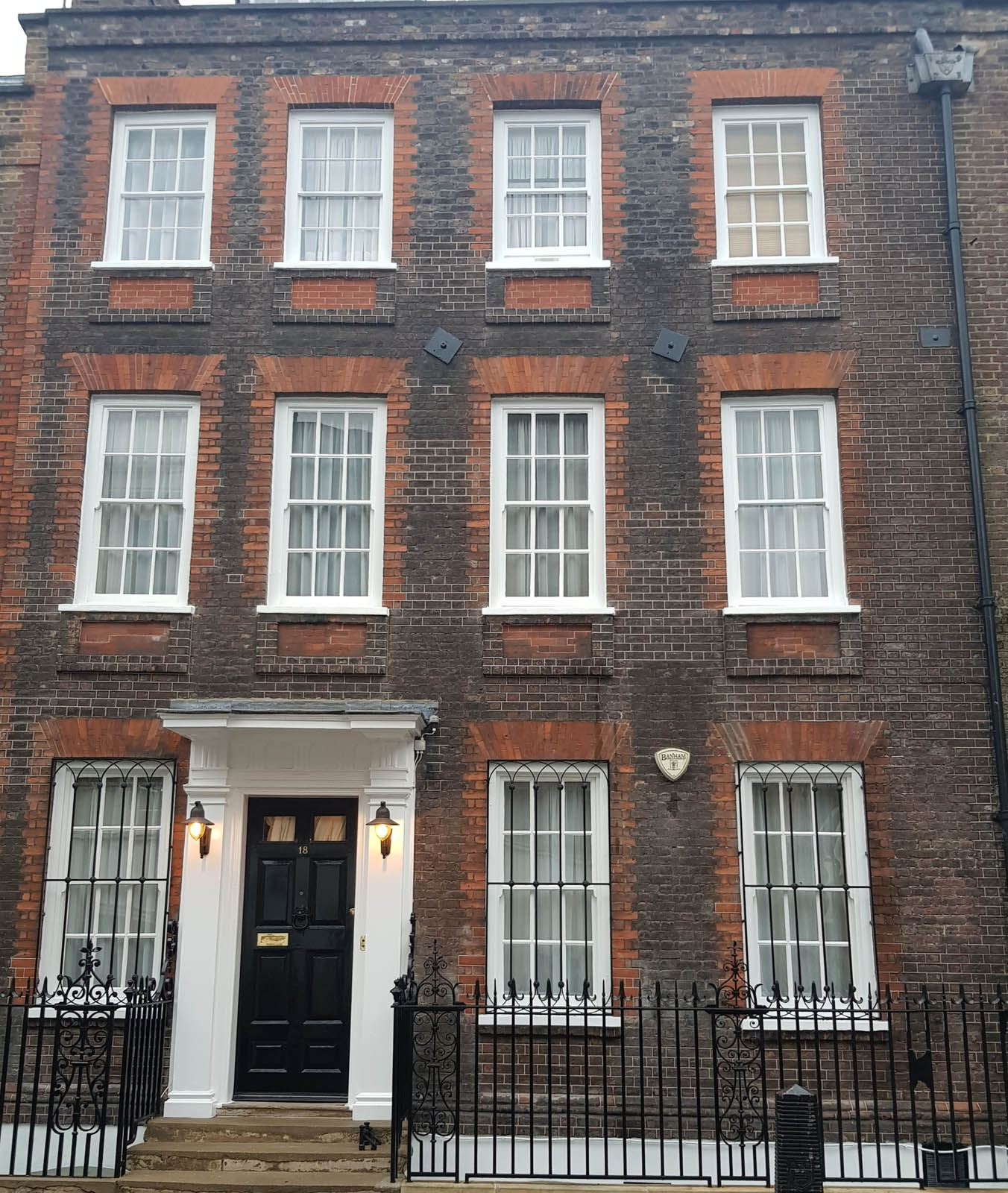
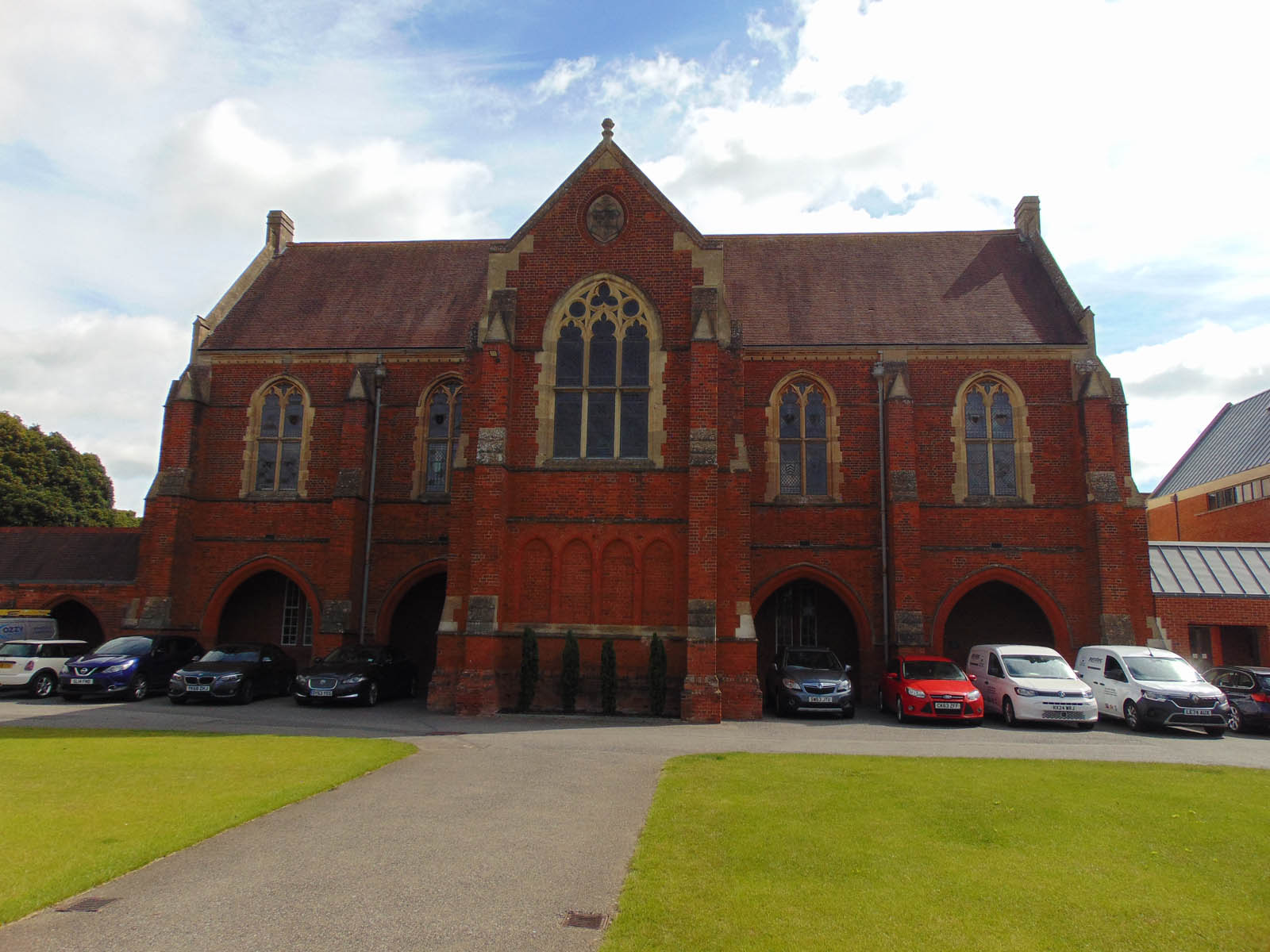
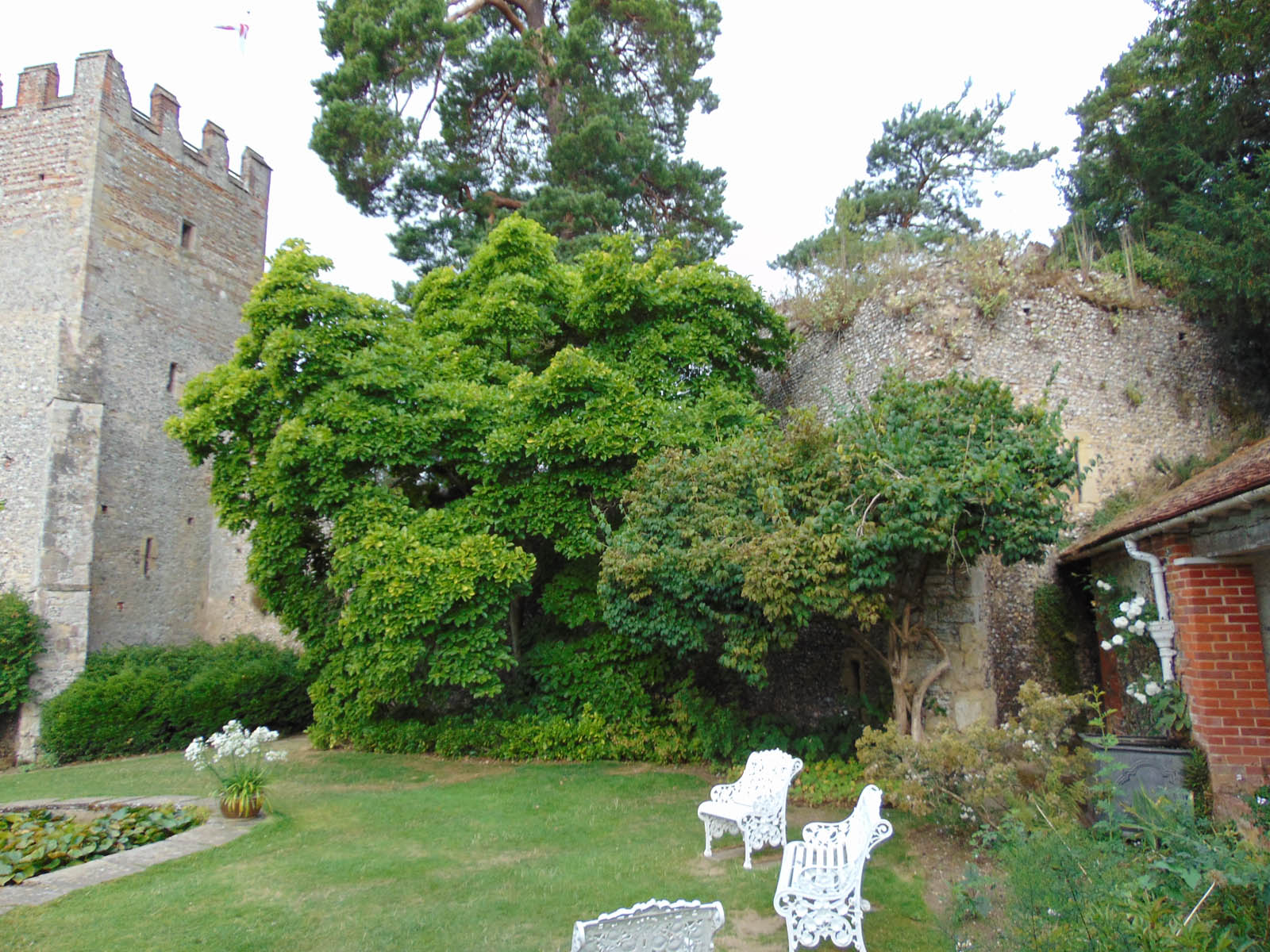
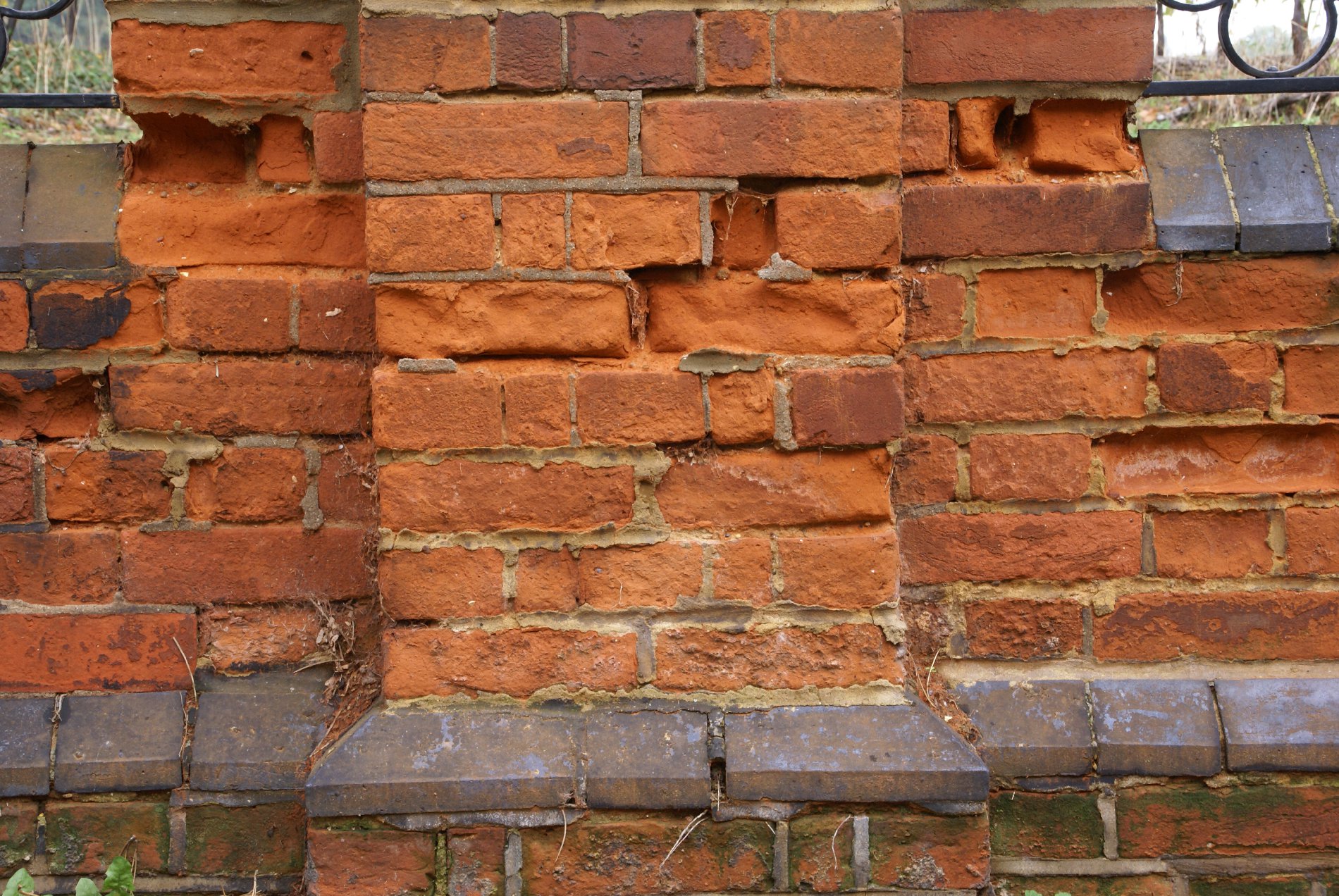
Brick and flintwork can deteriorate in a number of ways, for example, by deformation, erosion, pollution or poor detailing, to name a few.  The purpose of a condition survey is to record the condition of the brick or flintwork, to identify causes of failure, and to propose suitable repairs.  We have undertaken condition surveys to a wide range of brick and flint buildings and structures.  Our surveys can be tailor made to our client’s needs and will include the following:

  • Historical background and significance of the brick or flintwork;
  • Identification of the construction methods;
  • Identification of material types and source;
  • Identification of defects;
  • A proposed philosophy of repair;
  • A proposed method of repair;
  • Full photographic recording;
  • Preparing method statements;
  • Preparing specifications;
  • Preparing budget costings for repairs.

Many of our clients comment on the high quality and level of detail in our surveys; several have used them for tendering purposes.
To find a historic brickwork specialist, look for consultants or contractors with proven experience in heritage buildings, traditional materials, and lime mortar repairs. Check for relevant conservation qualifications, memberships of professional bodies, examples of similar projects, and references from previous clients to ensure they understand the specific requirements of historic brick and flint structures.

Spalling bricks are usually caused by moisture entering the brick and then freezing, leading the surface to crack, flake, or break away. In historic buildings, the problem is often made worse by hard cement mortars or impermeable coatings that trap moisture, forcing it through softer bricks and accelerating their deterioration.

Yes, cement mortar can damage historic brickwork because it is typically harder and less breathable than traditional lime mortar. This can trap moisture within the wall, causing damp, frost damage, salt crystallisation, and brick decay, while also concentrating movement stresses that may lead to cracking of softer historic bricks.