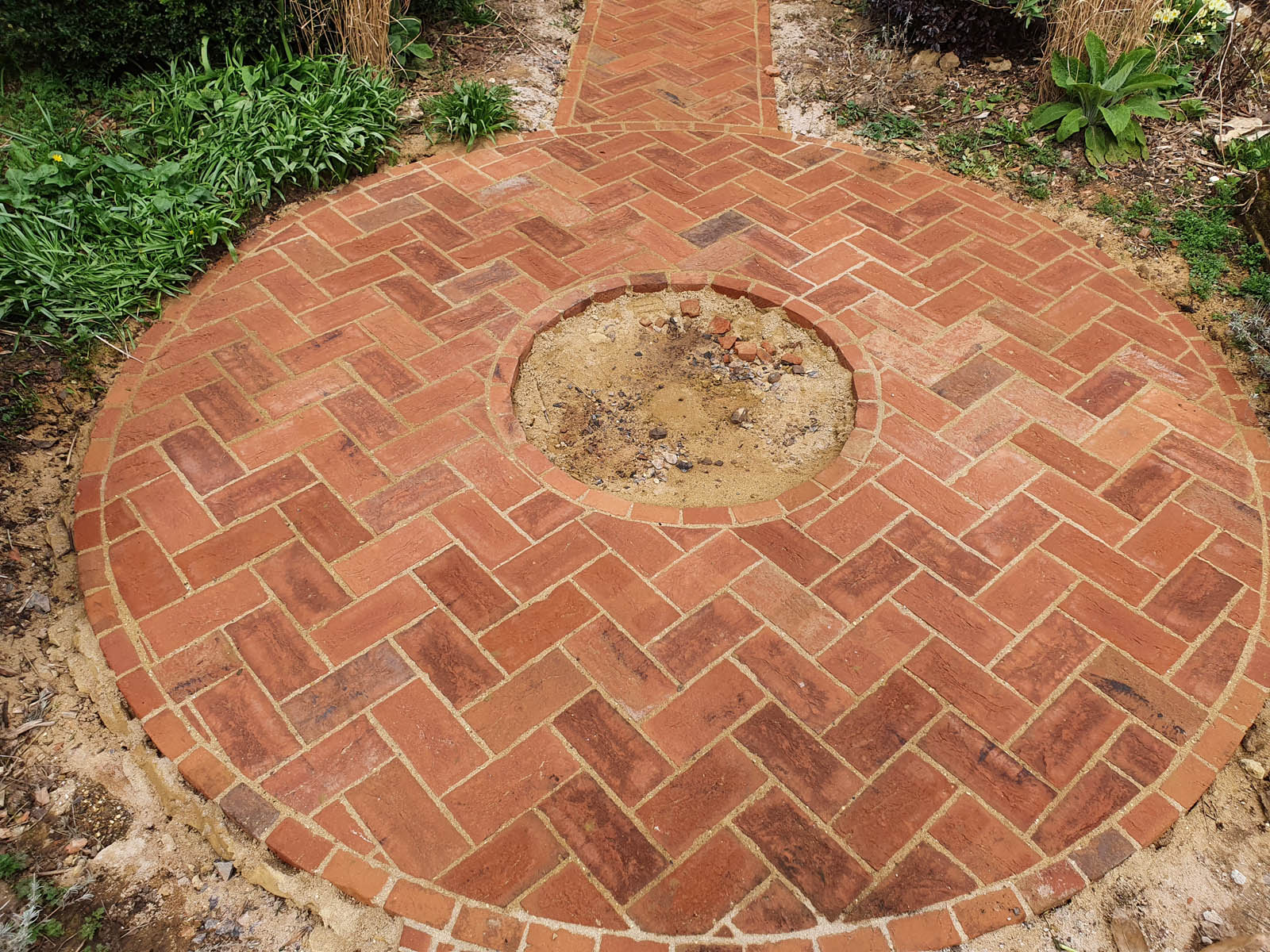
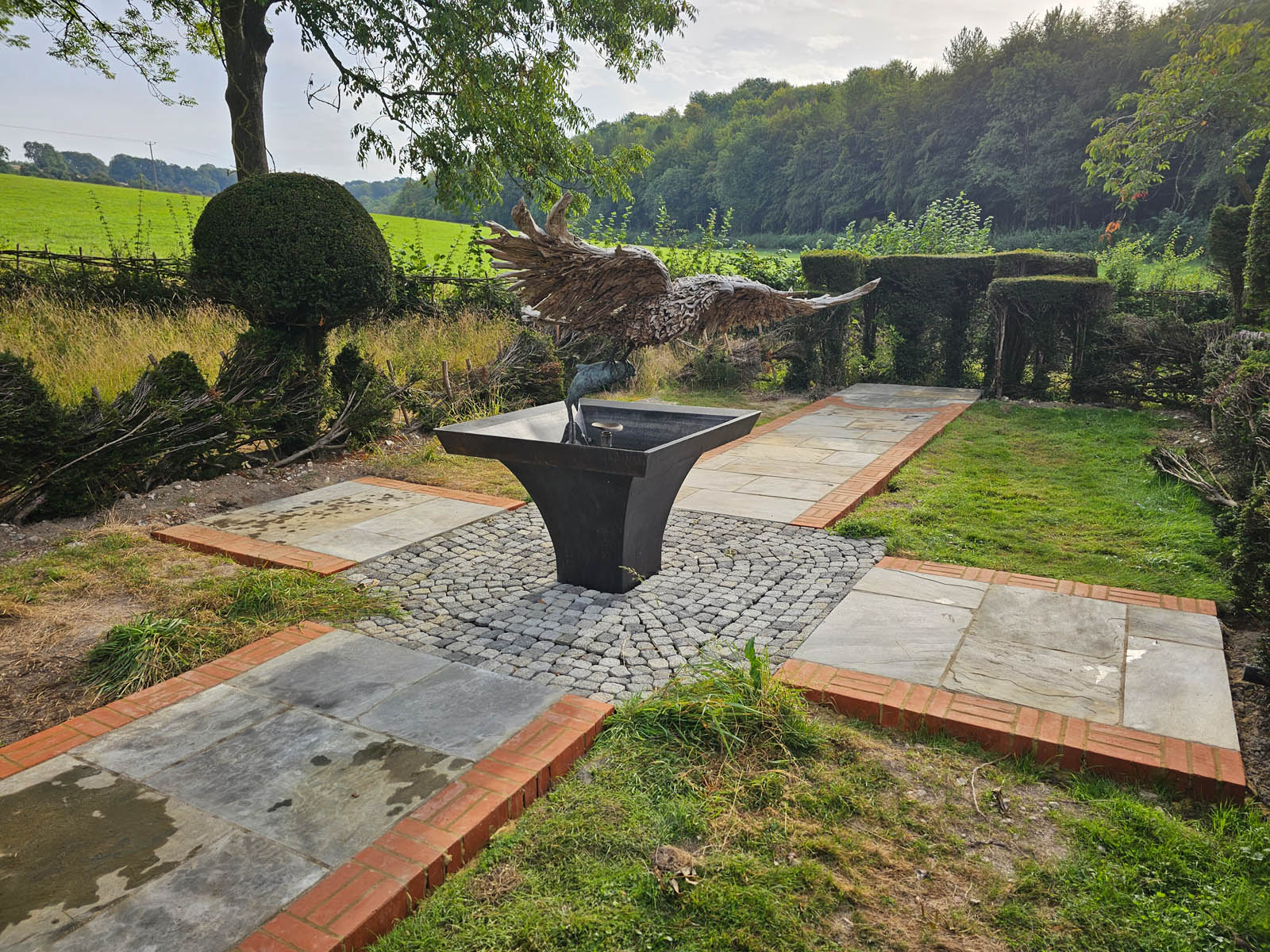
Extensions and Hard Landscaping

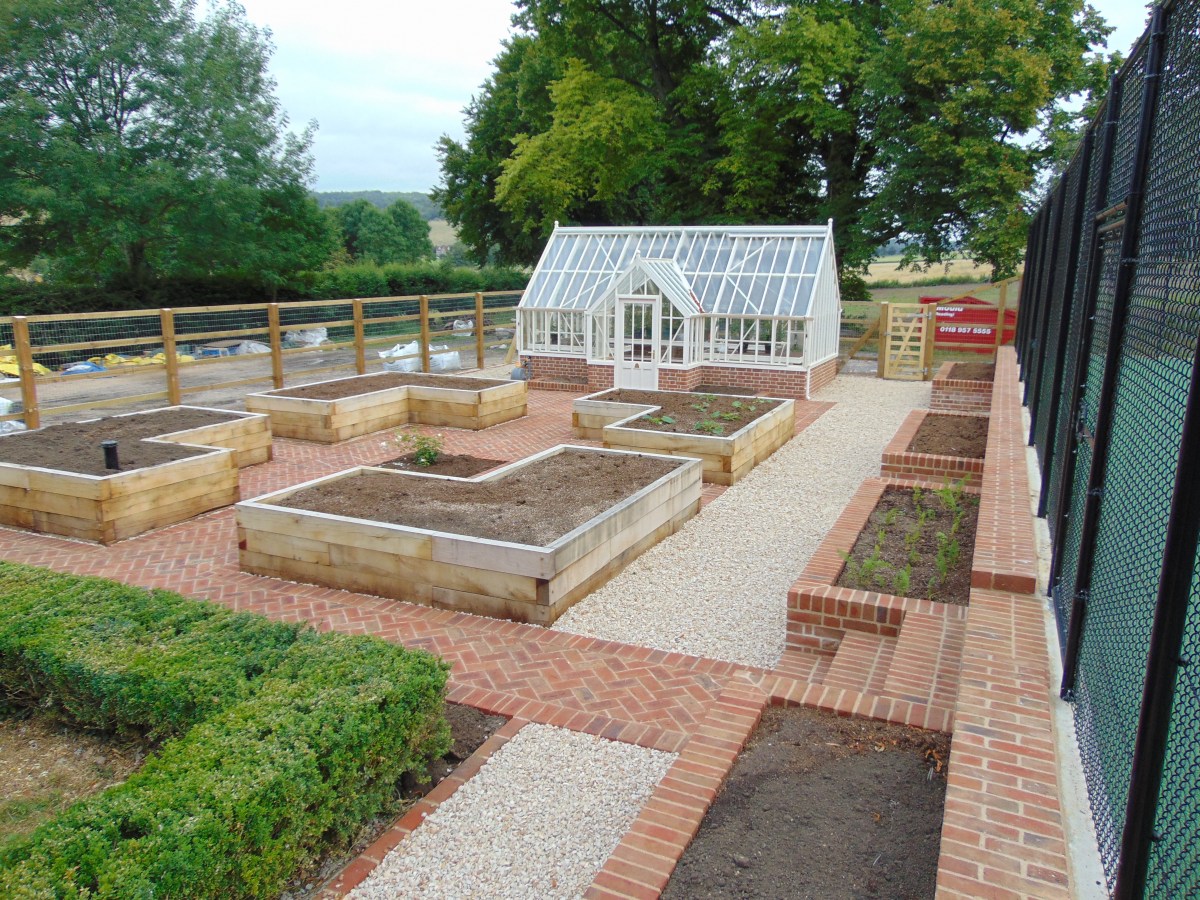
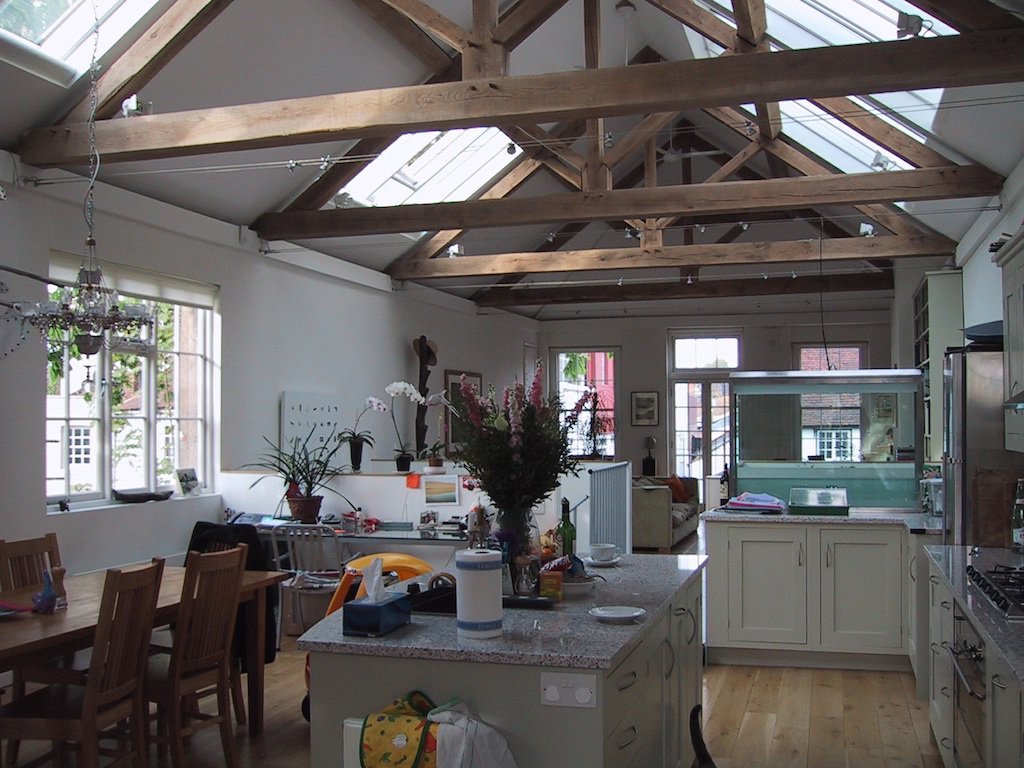
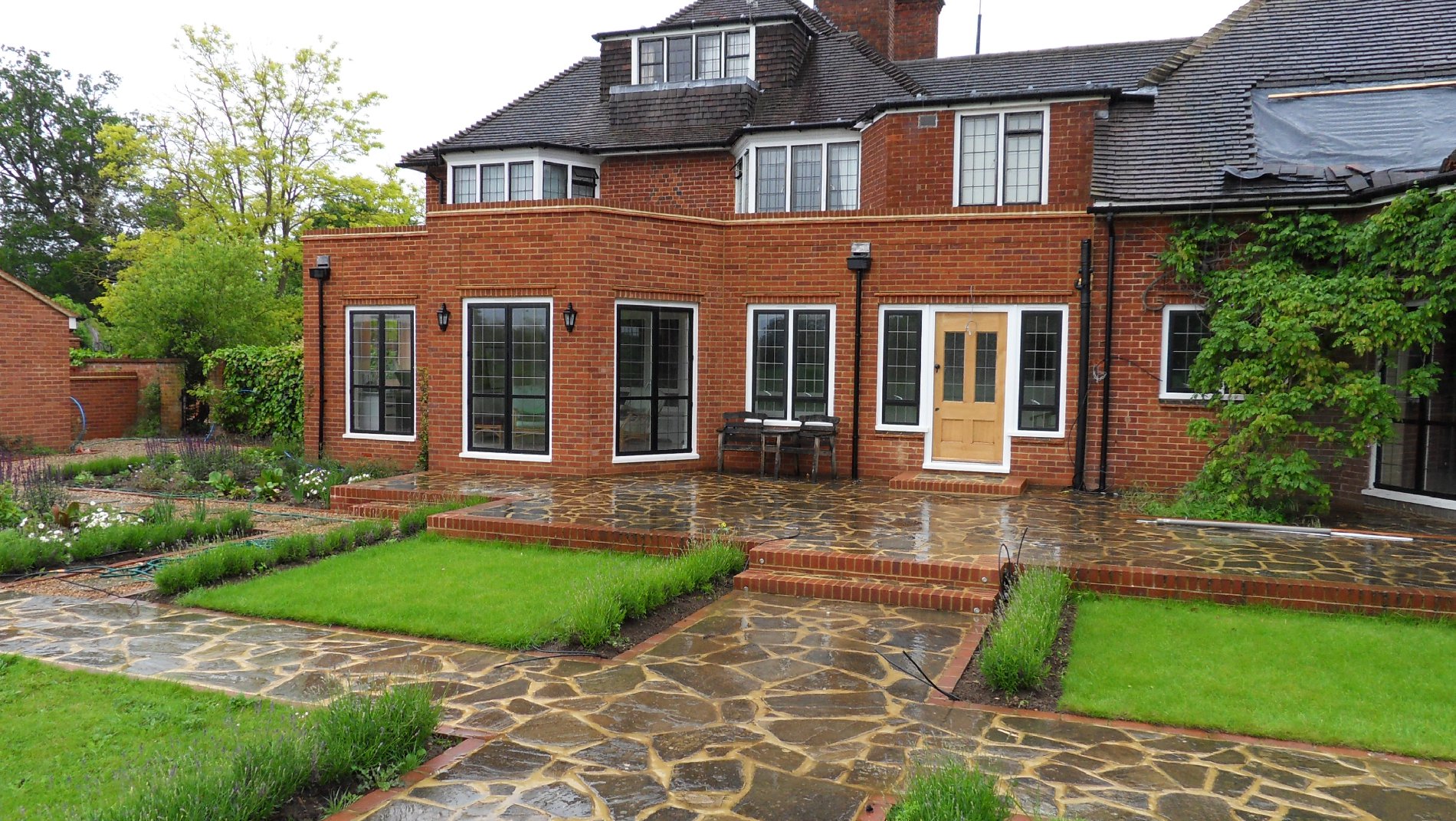
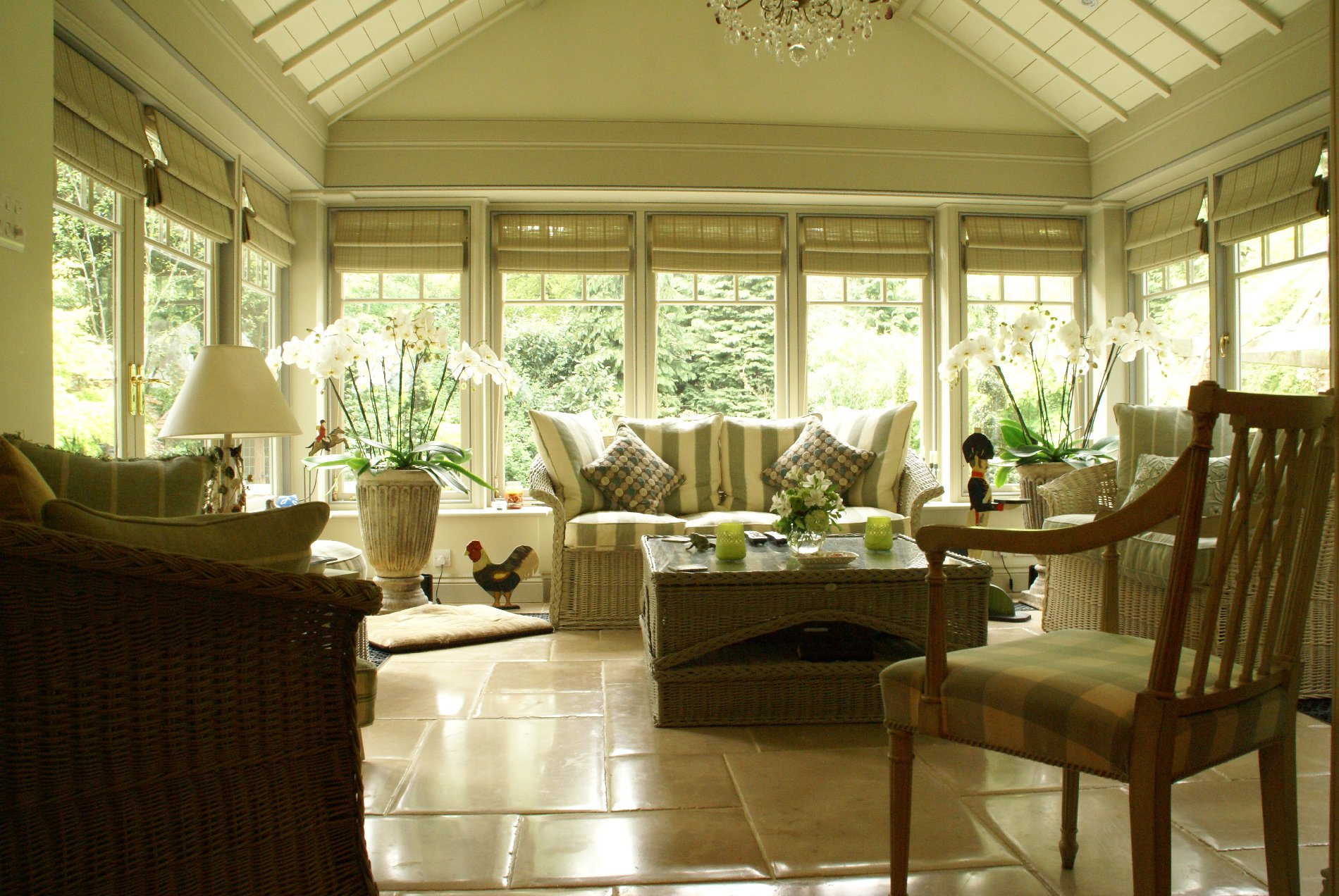
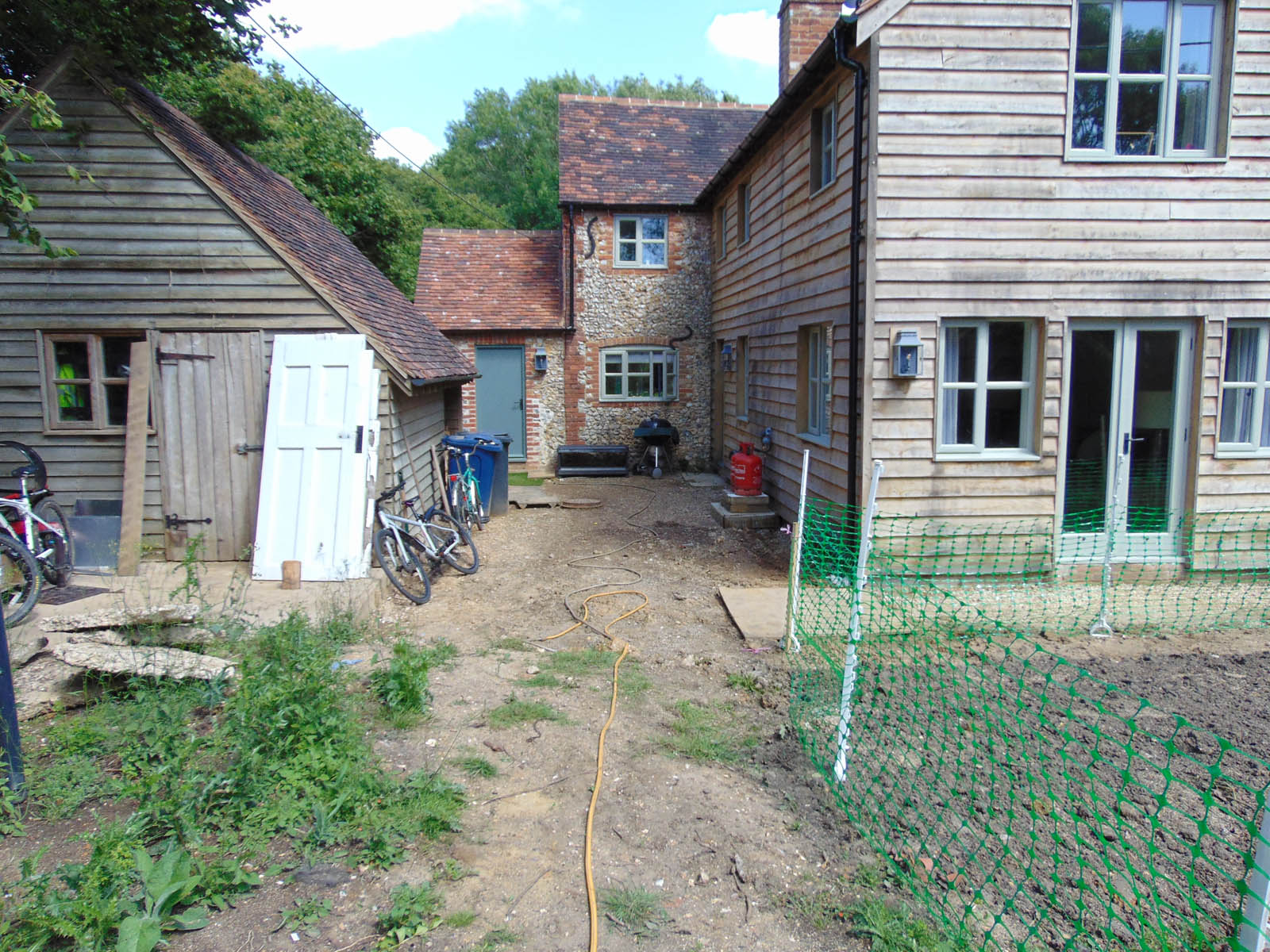
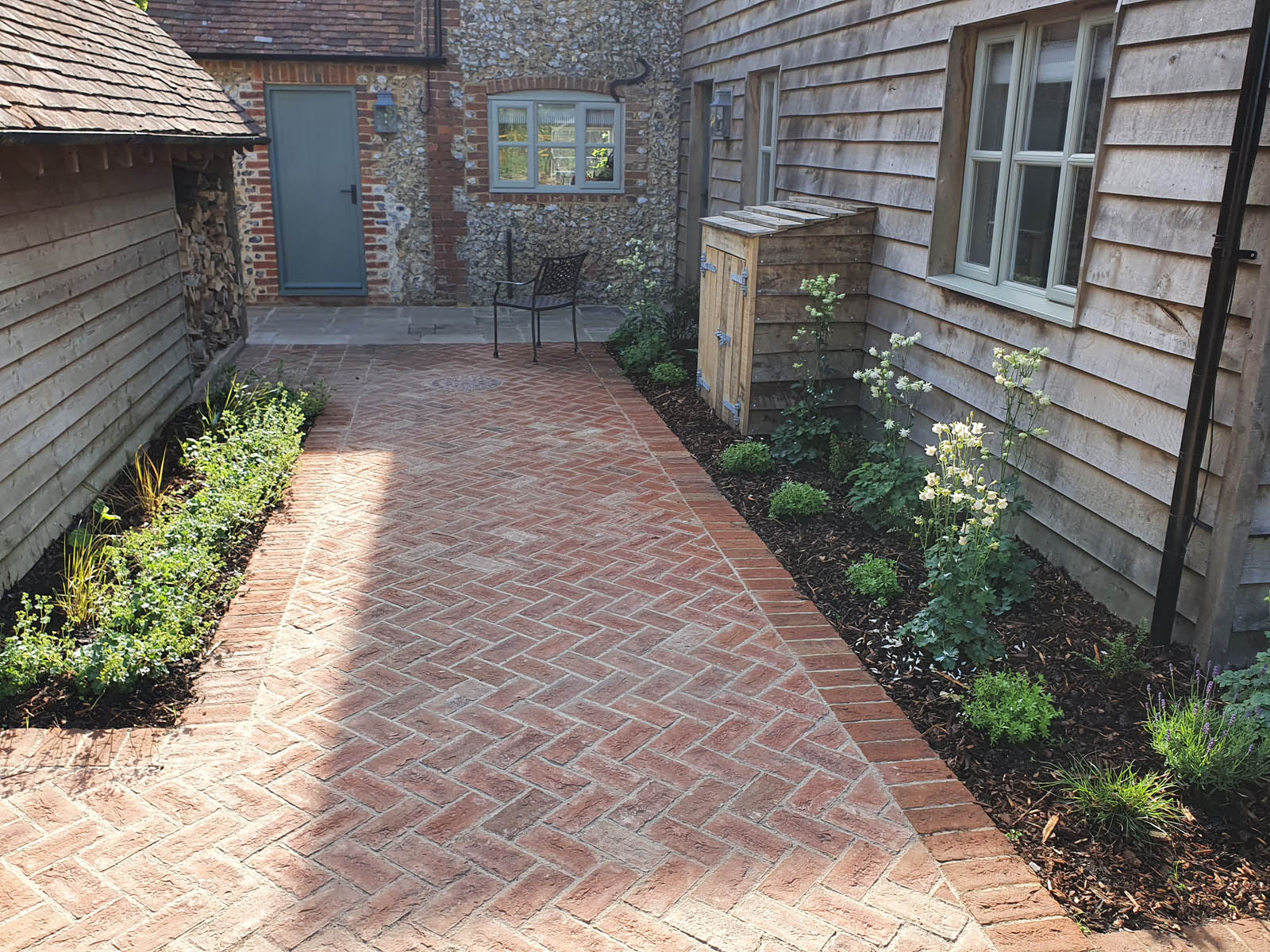
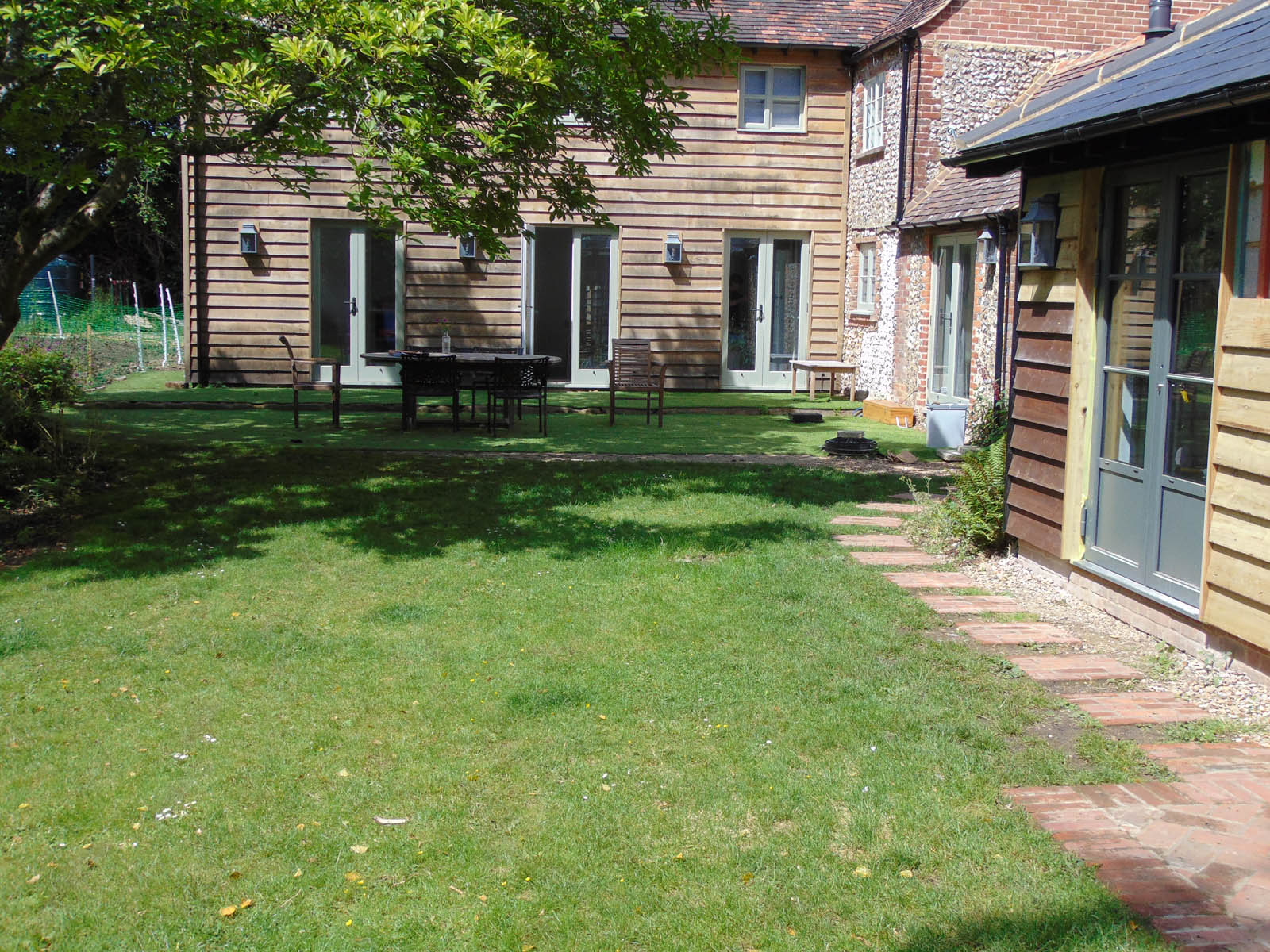
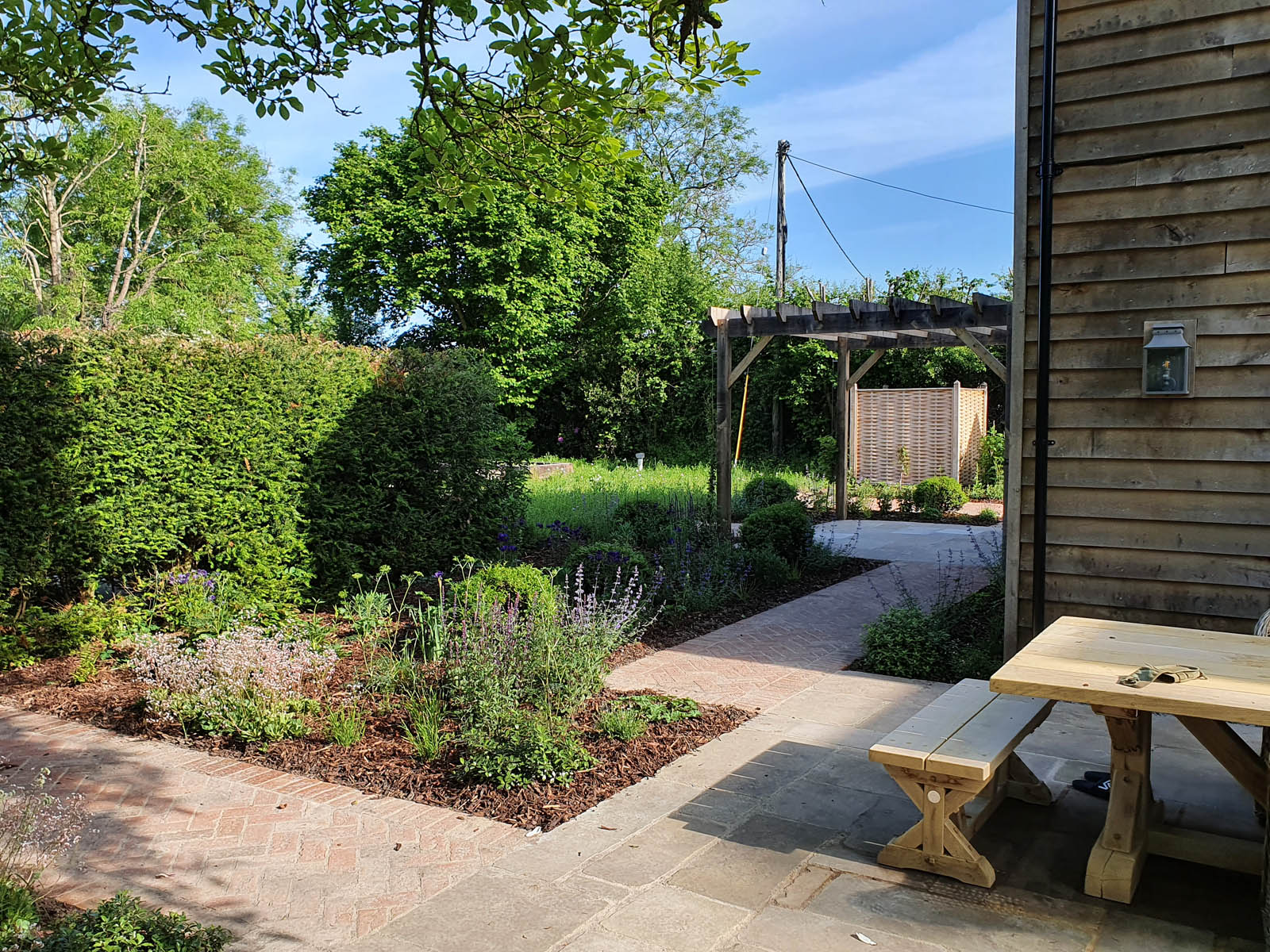
Extensions and alterations to listed buildings require a high degree of skill so that any addition sits sympathetically with the original historic fabric.  The same applies to the outdoor space; many gardens are intrinsically linked to the historic building.  We have been fortunate to have completed some outstanding additions to buildings and gardens that sit harmoniously with the original historic fabric.  We are able to construct the following:

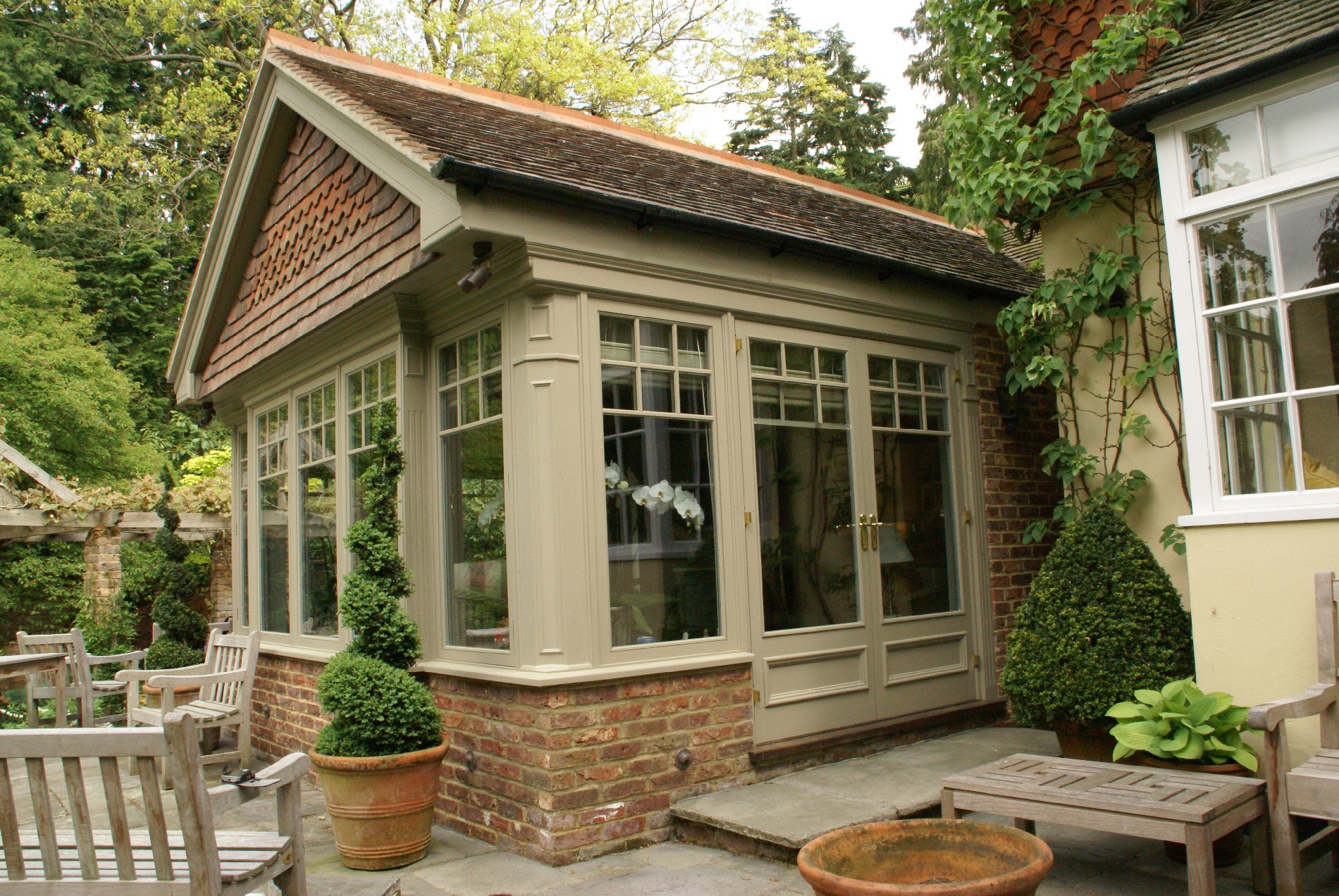
  • Extensions and garden rooms;
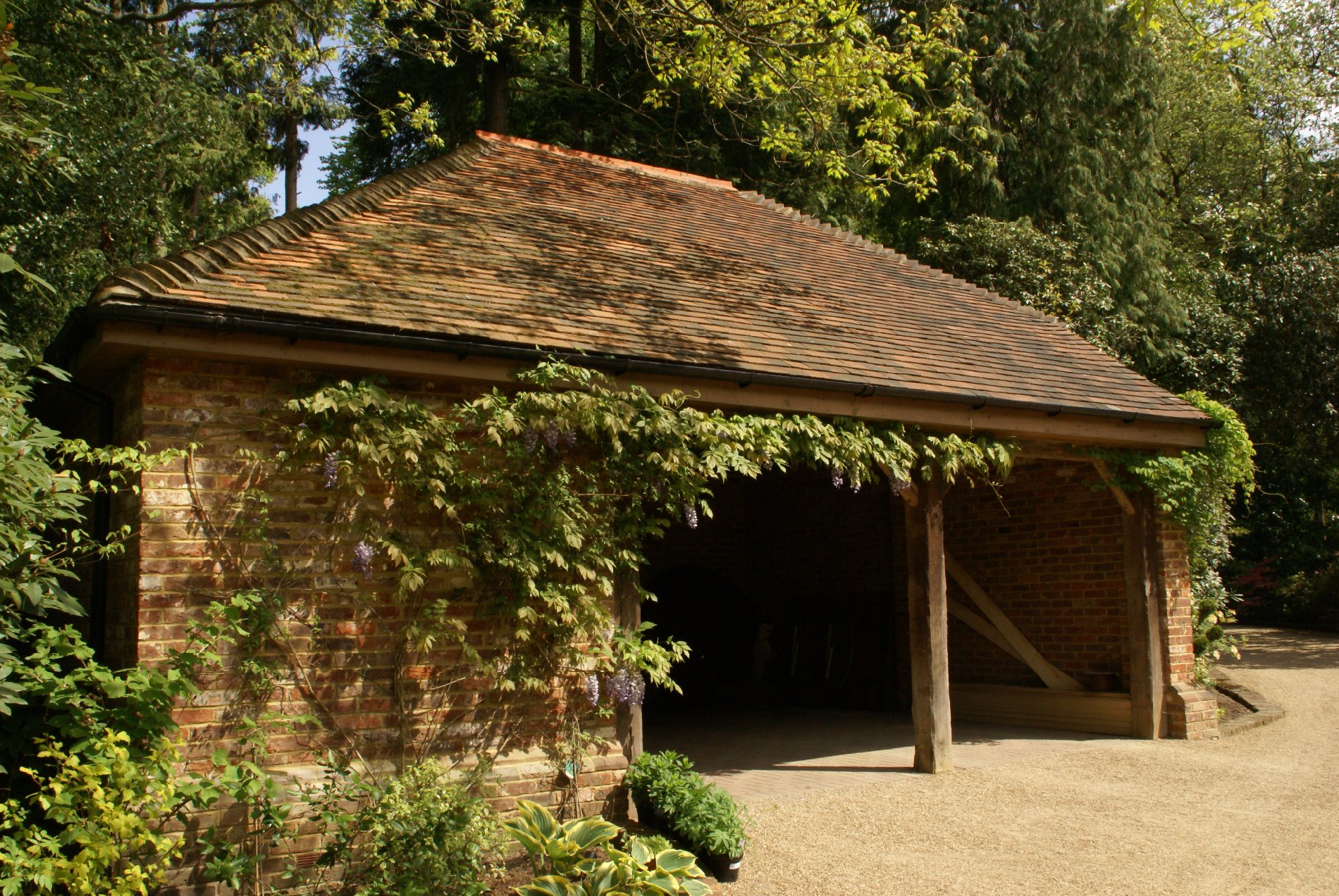
  • Oak framed buildings and garages;
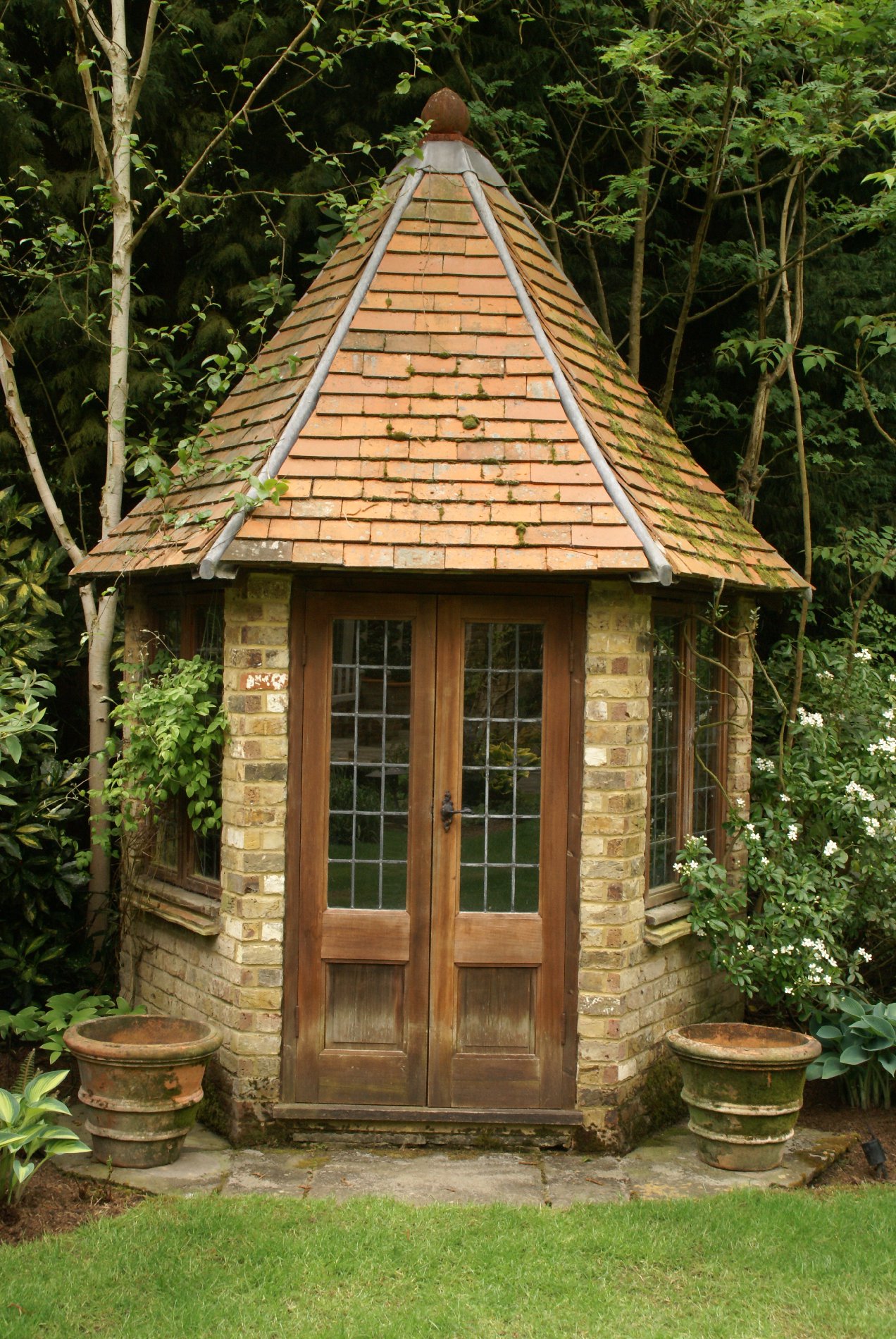
  • Summerhouses and garden offices;
  • Lime floors and rendering;
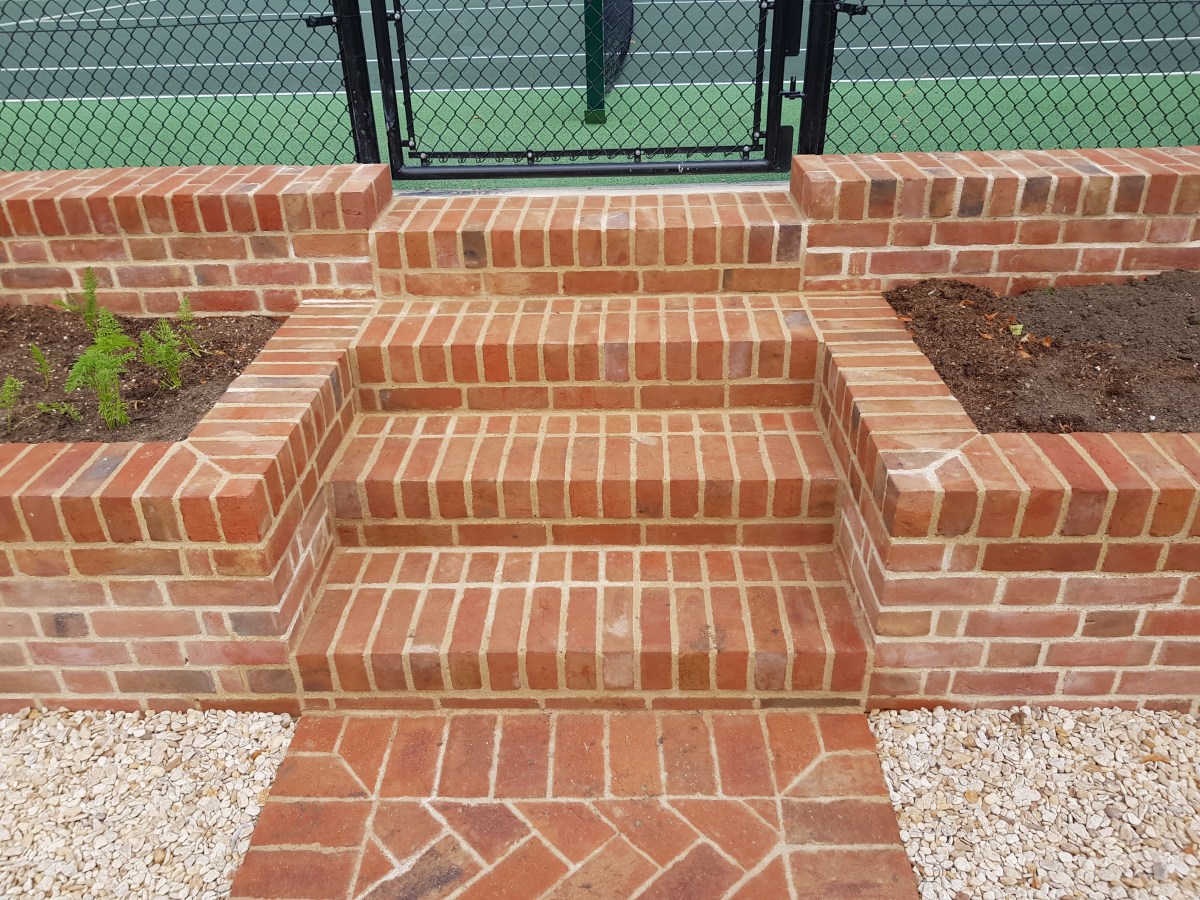
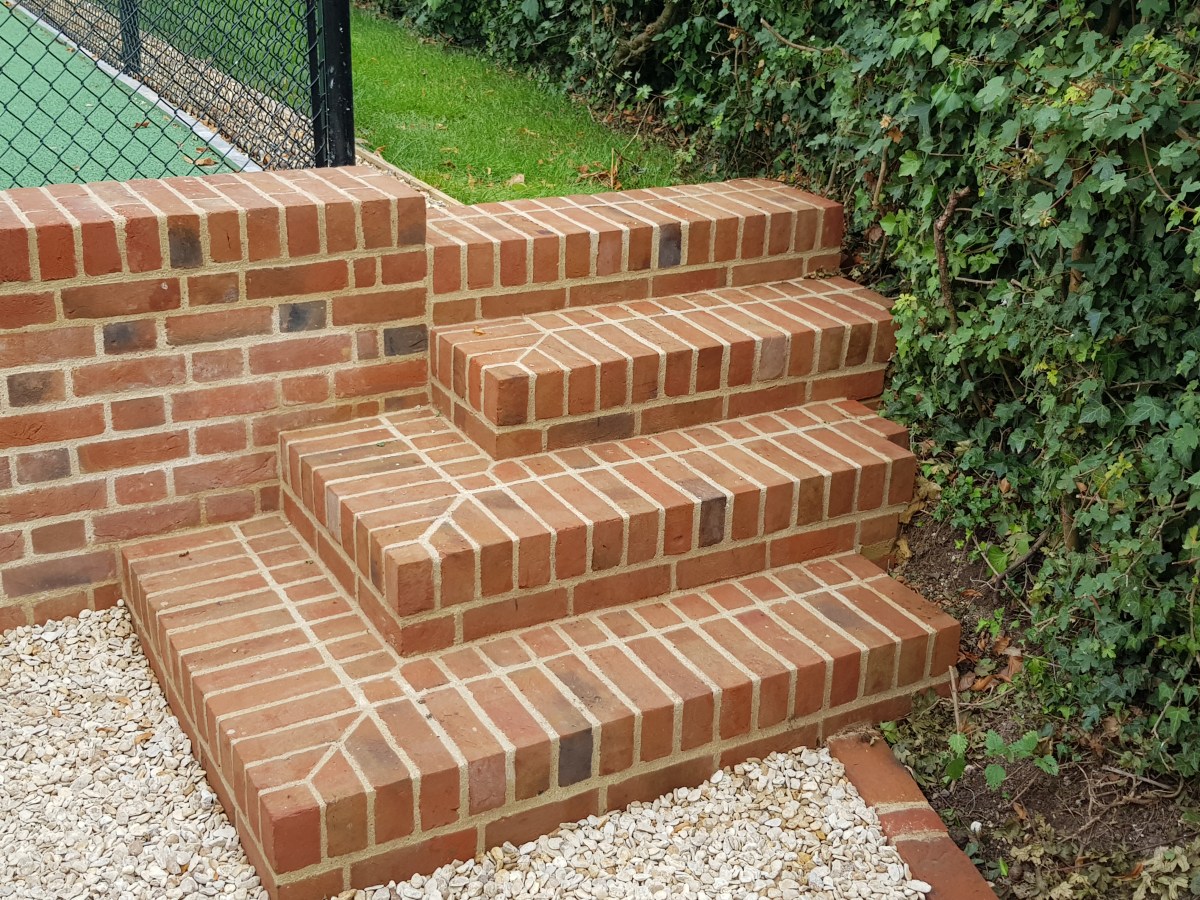
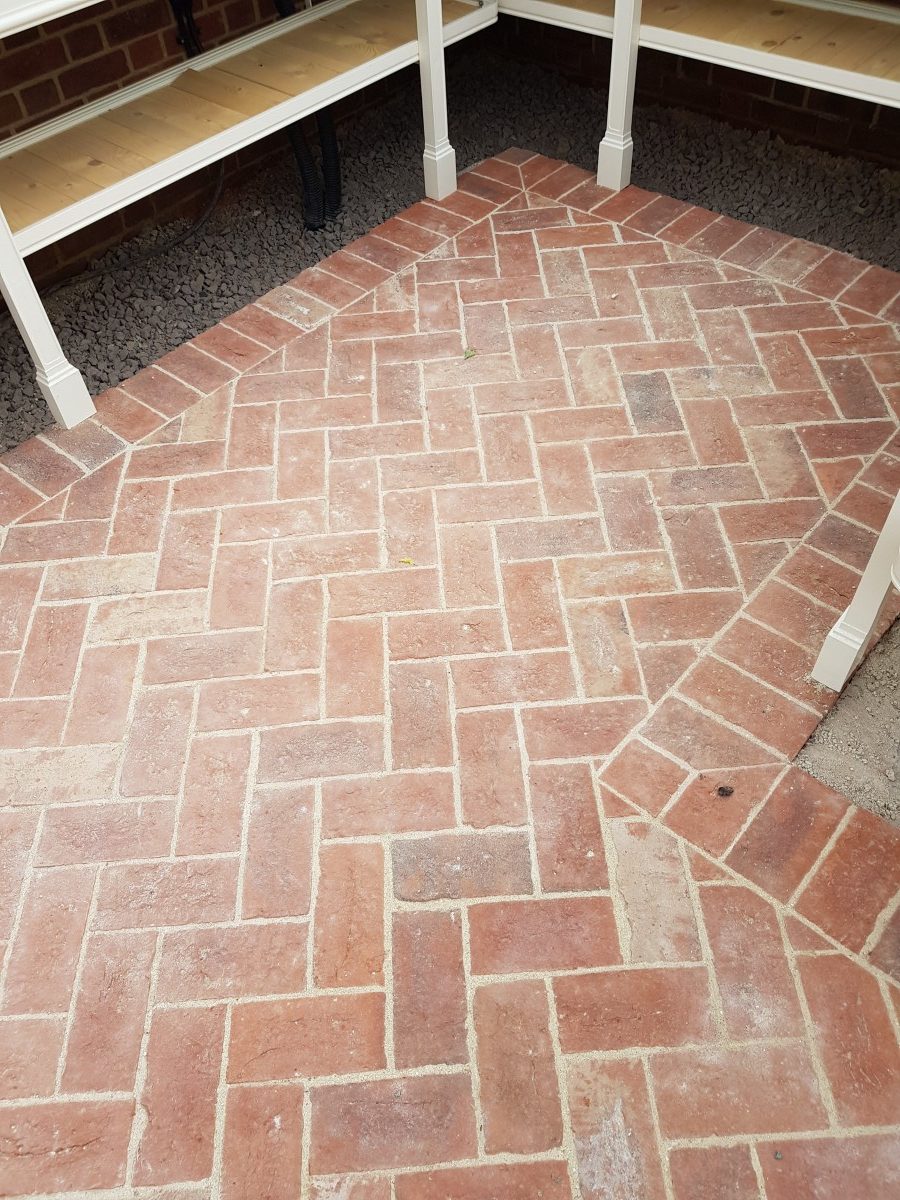
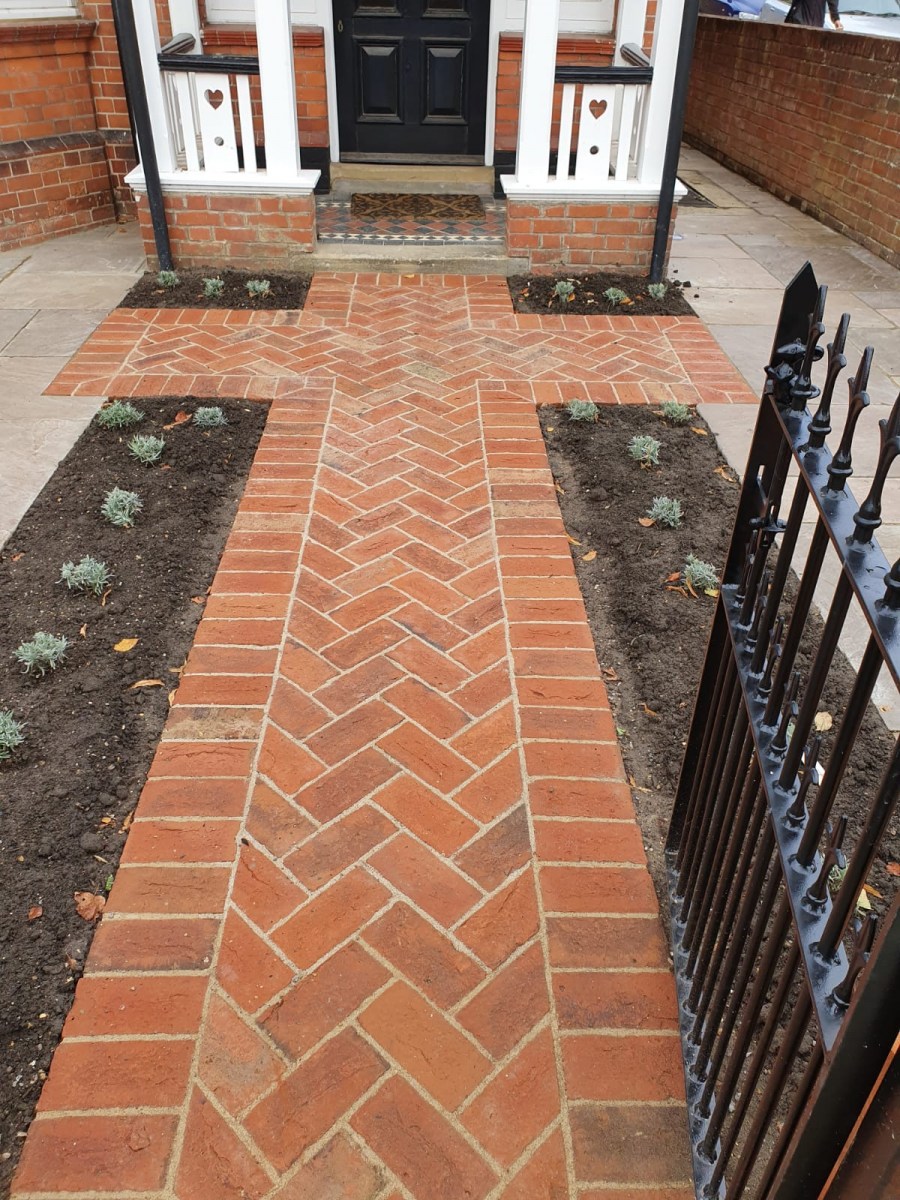
  • Hard landscaping using traditional materials;
  • Feature steps and paths;
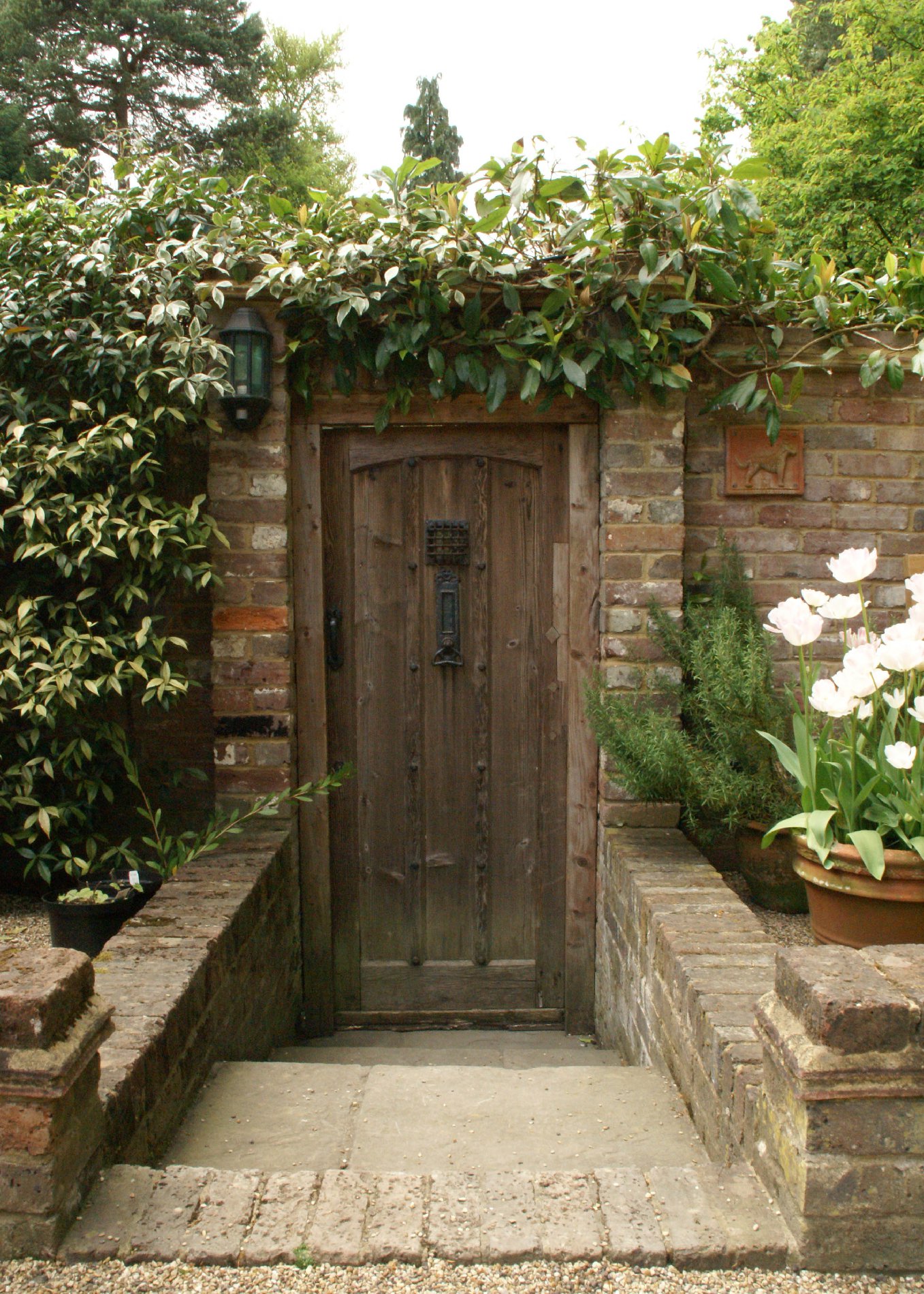
  • Boundary and retaining walls;
  • Drives and entrances.

A number of the gardens that we have worked on are part of the National Gardens’ Scheme.  We can offer a complete design and build service or work to the designs of others.

Historic paving or stonework is preserved by using minimal intervention, keeping as much original material as possible, and carrying out repairs with compatible materials—typically lime-based mortars rather than cement. Loose or damaged stones are carefully lifted, cleaned, and re-bedded on appropriate foundations, joints are repointed with breathable mortar, and any replacements are matched in type, size, and finish. Good drainage, avoiding harsh cleaning methods, and preventing ground movement or vegetation growth are also key to long-term conservation.

Yes—if your house is listed, you will usually need listed building consent for any extension, because it is considered an alteration to the historic fabric and character of the building (and sometimes its setting). In many cases you will also need separate planning permission, and both must be approved before work starts. The exact requirement depends on how the extension affects the building’s significance, so it’s best confirmed with the local conservation officer early in the design process.

External works to a listed building usually require listed building consent if they affect its character, fabric, or setting, including changes such as extensions, alterations to roofs, windows or doors, repointing with inappropriate materials, cleaning or painting masonry, and significant repairs to walls, paving, or boundary structures. Even seemingly minor works may need consent if they impact historic materials or appearance, so it’s important to check with the local conservation officer before starting any external changes.