Conservation of Brickwork

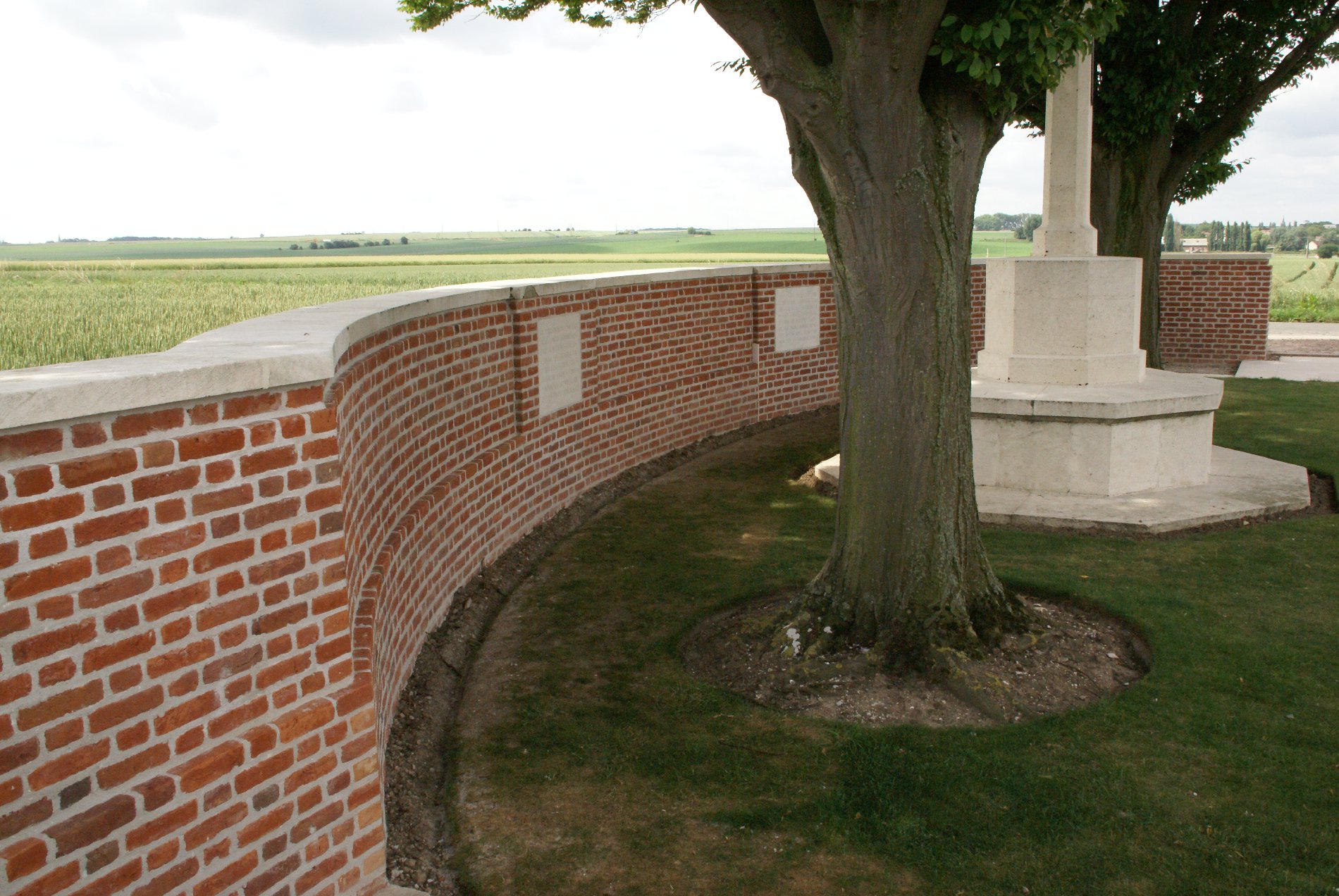
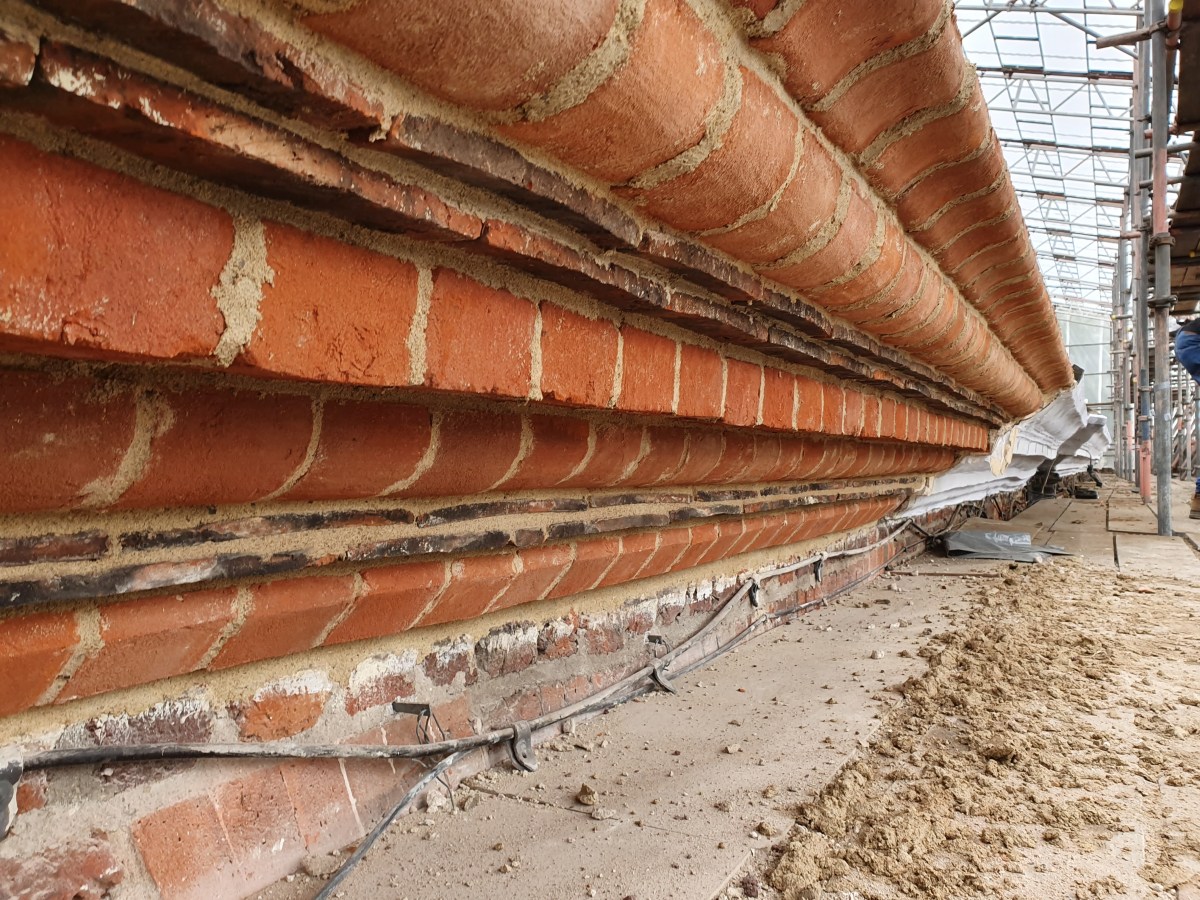
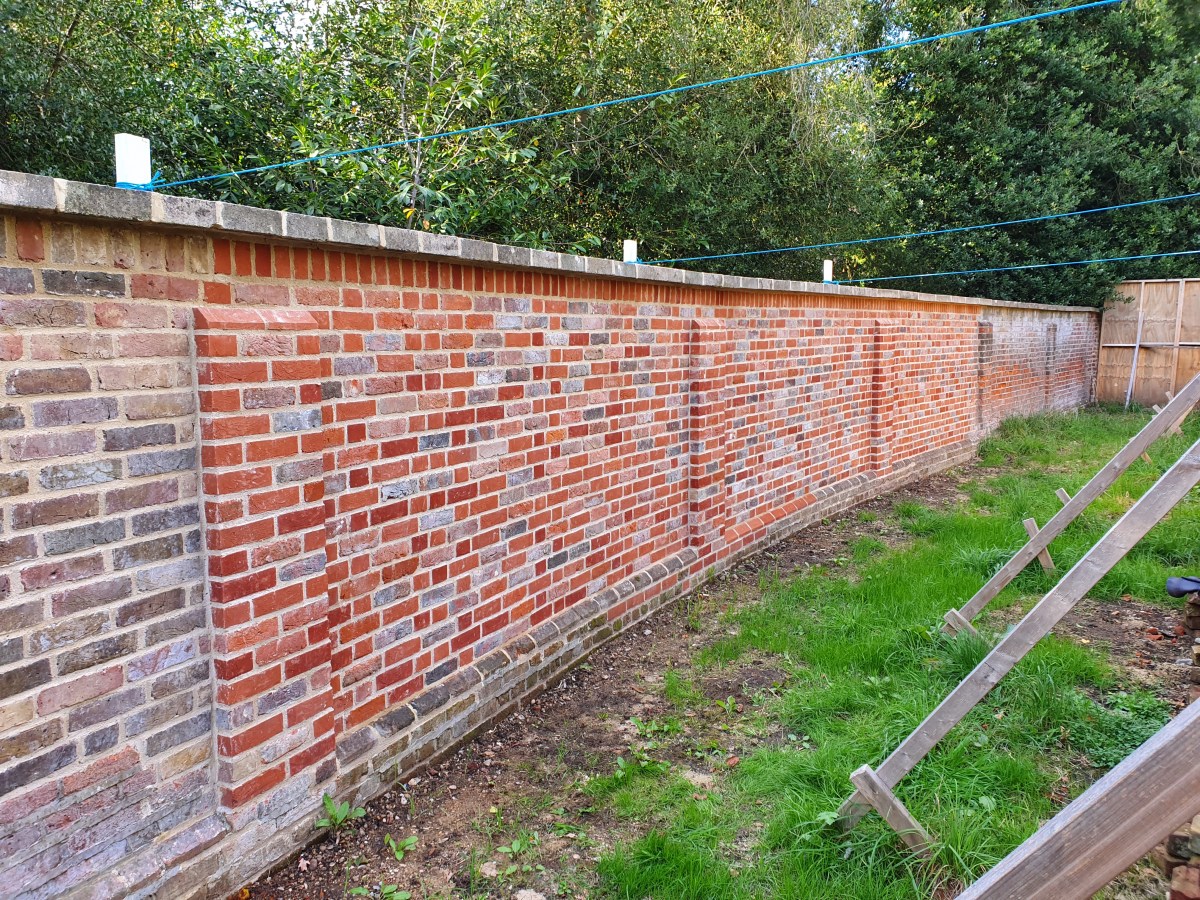
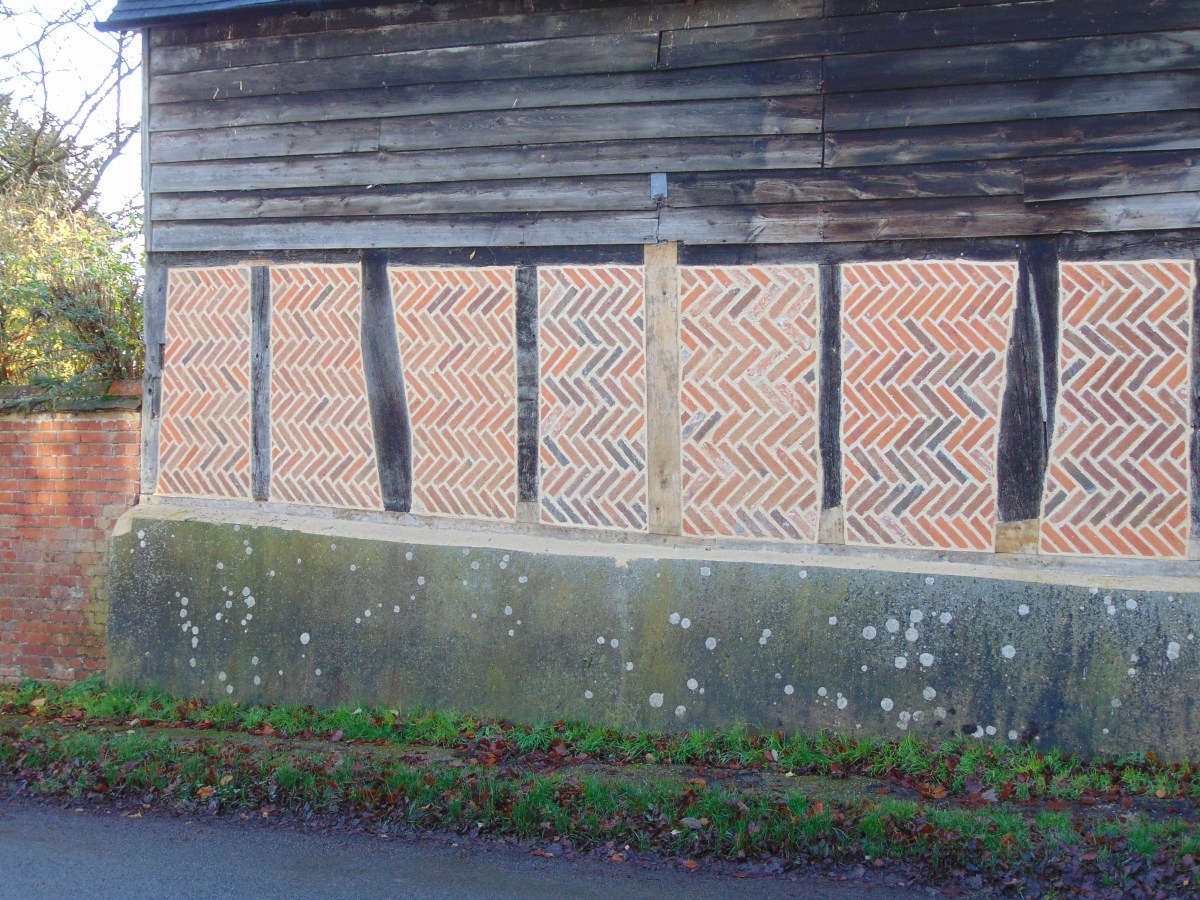
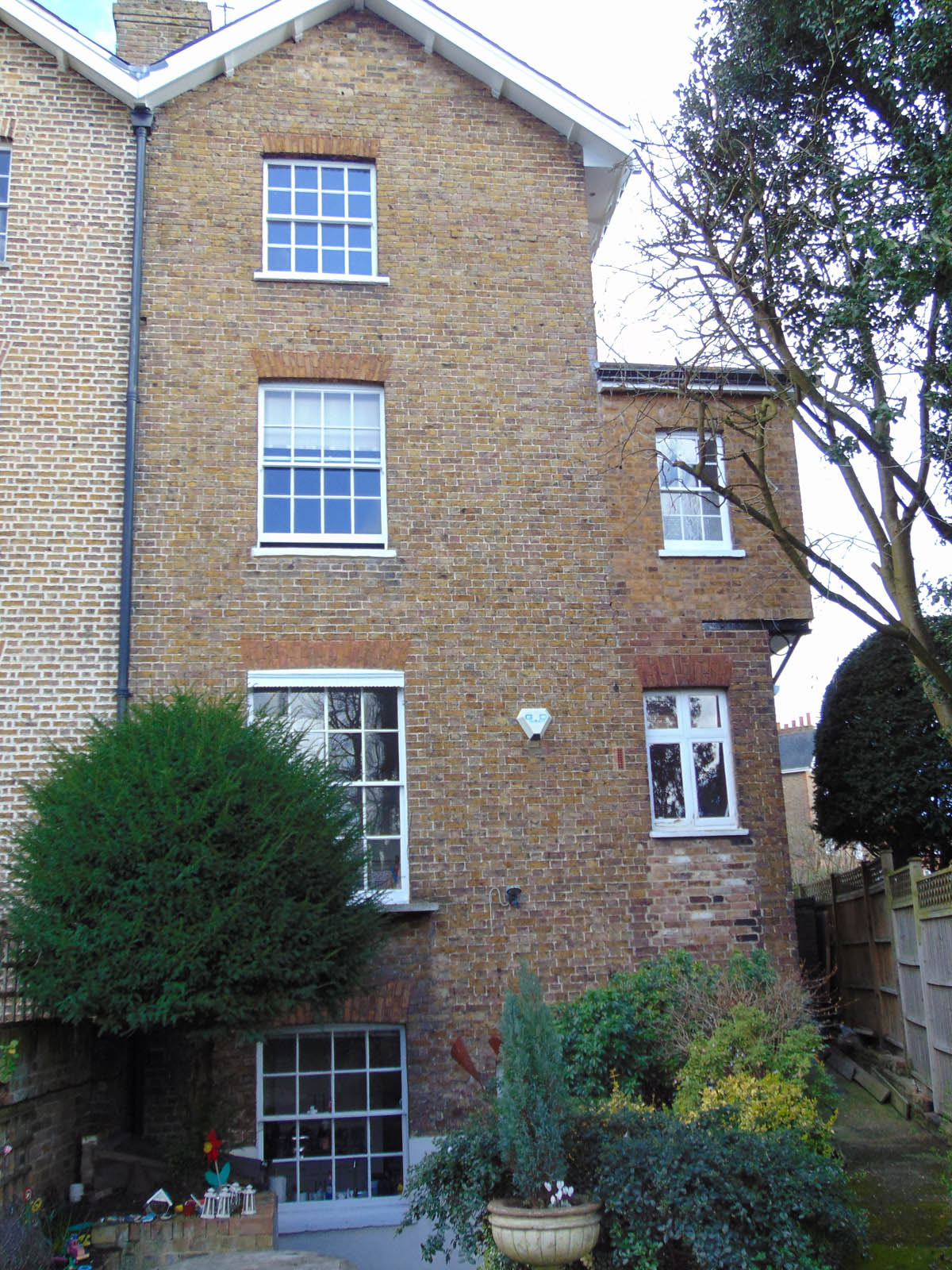
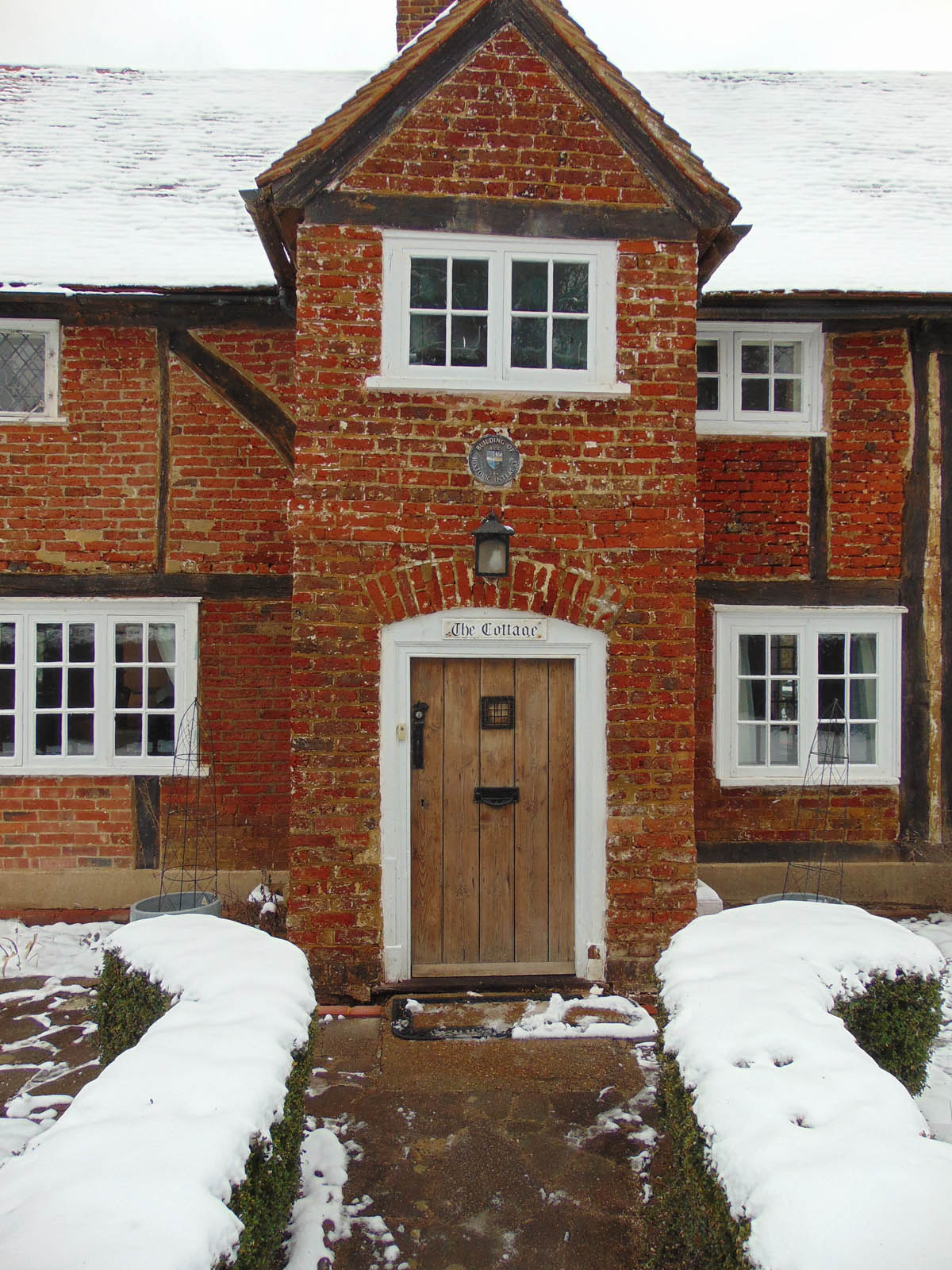
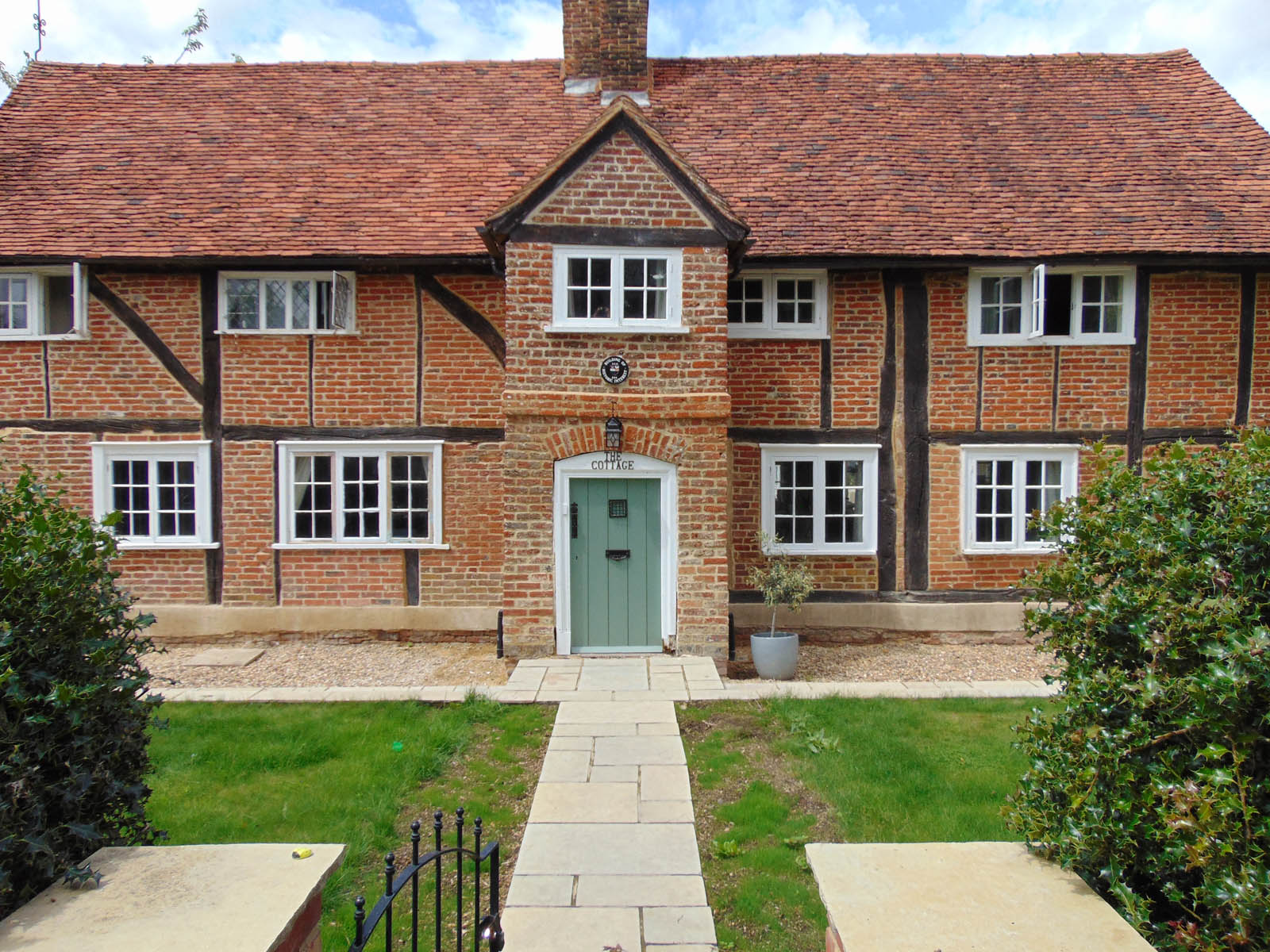
Ernest Barnes Ltd has a high level of expertise in this field. We have conserved and repaired brickwork for national and international organisations, including the National Trust and the Commonwealth War Graves Commission.  We follow the same process for every project we undertake.  We survey, interpret the fabric, develop an understanding of the original construction method, and then apply an appropriate conservation philosophy for repair.  We have the skills, knowledge and experience to undertake the following:

  • Brickwork repairs to a wide range of historic buildings and walls;
  • Use of traditional techniques and lime mortars;
  • Repointing in a range of historic joint profiles;
  • Brick stitching to replace deteriorated bricks;
  • Structural repairs incorporating modern technologies, such as crack stitching and anchors;
  • Repair and rebuilding of historic arches;
  • Repair and rebuilding of historic chimneys;
  • Stabilisation of leaning structures;
  • Analysis of historic mortars;
  • The submission and management of listed building applications;
  • Writing of specifications and method statements.

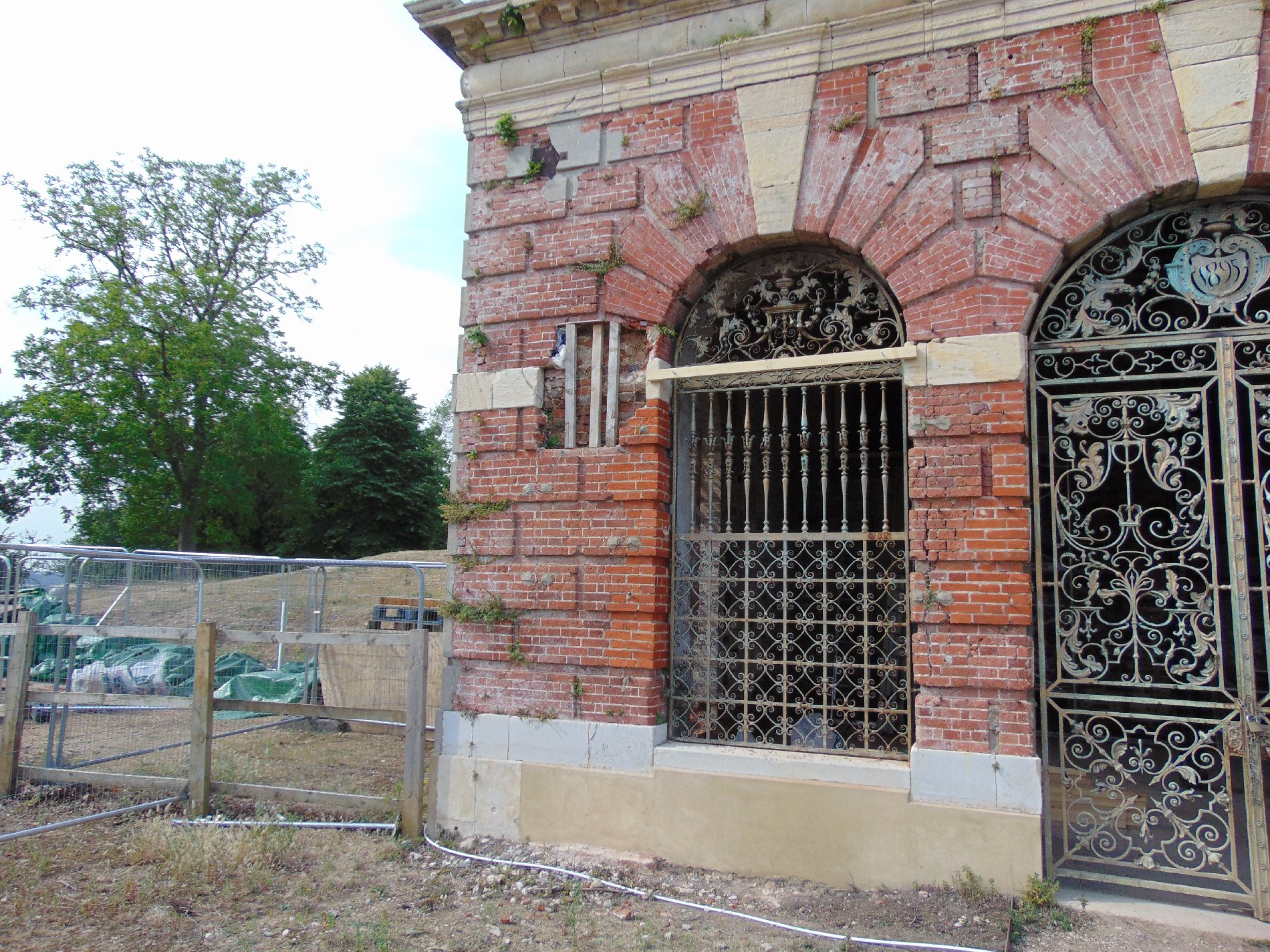
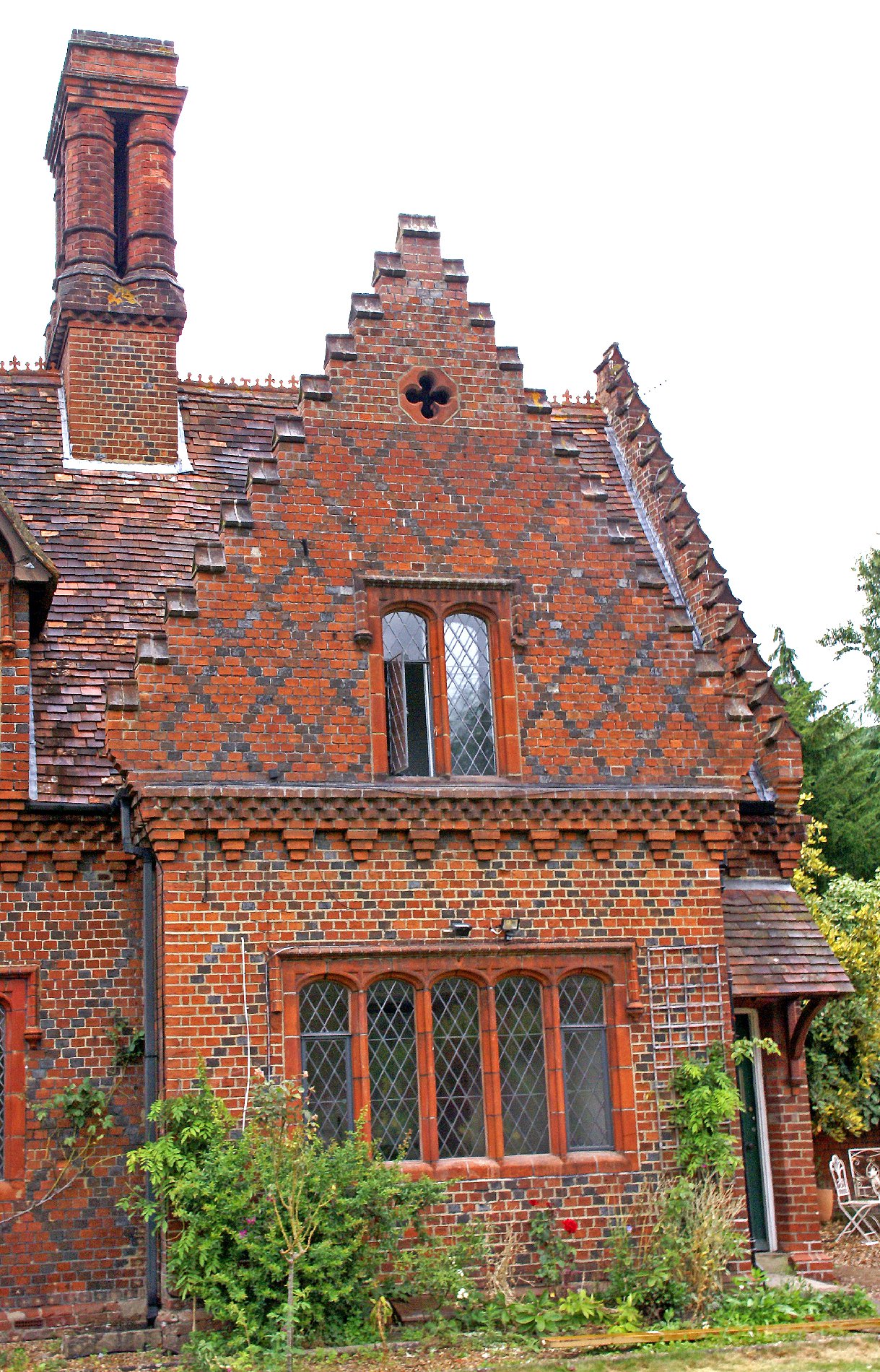
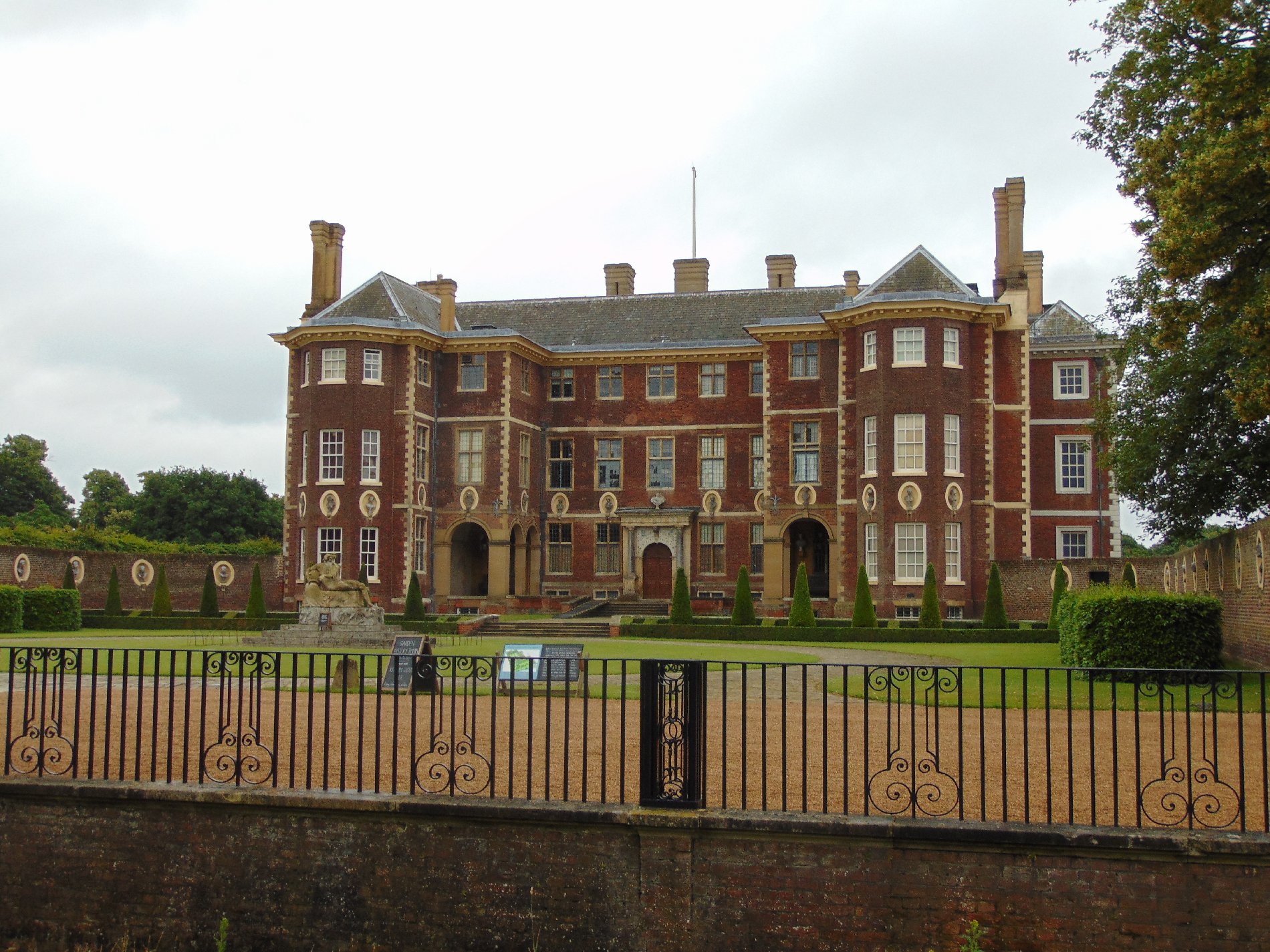
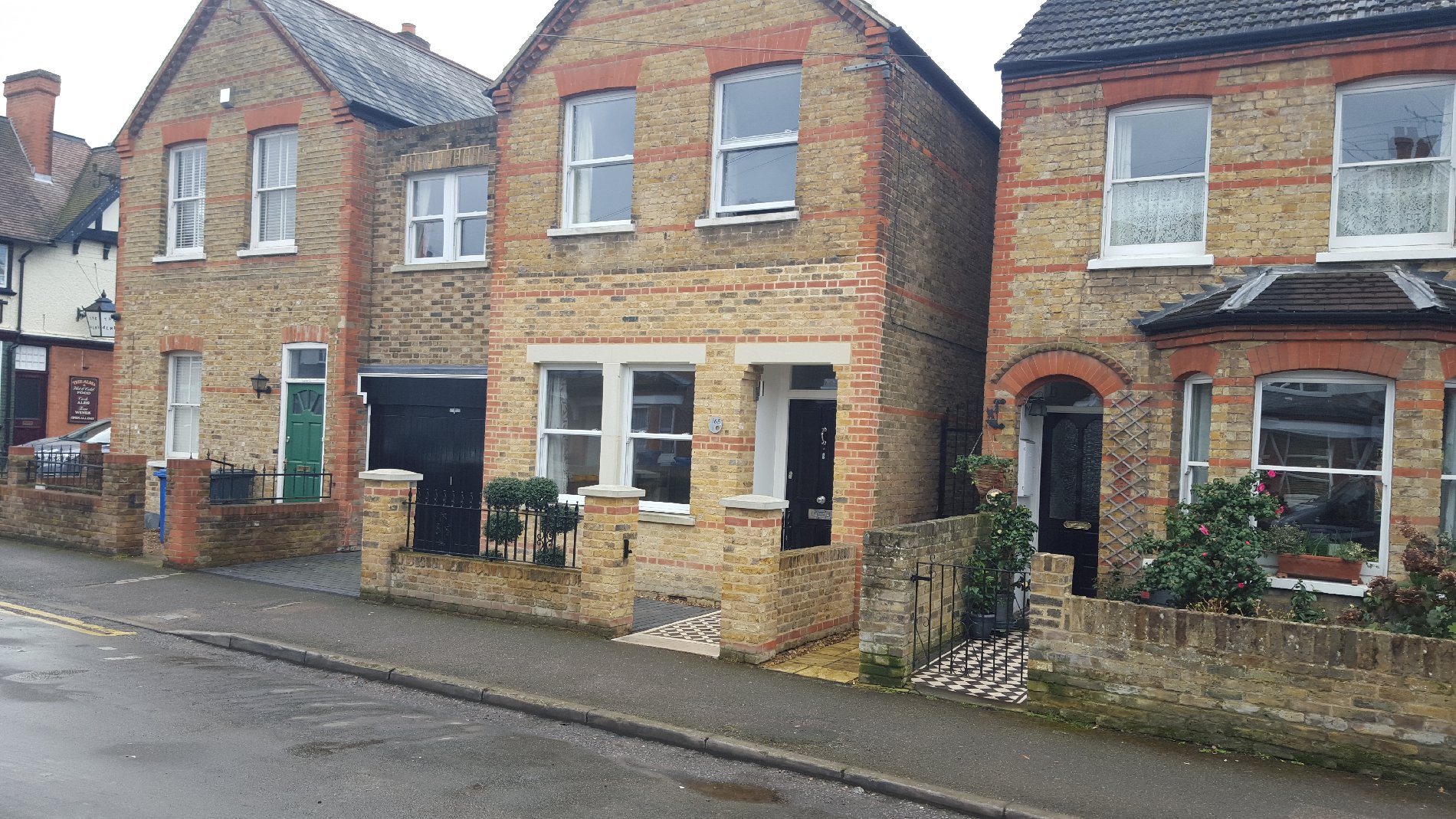
The photo gallery shows examples of recent projects.
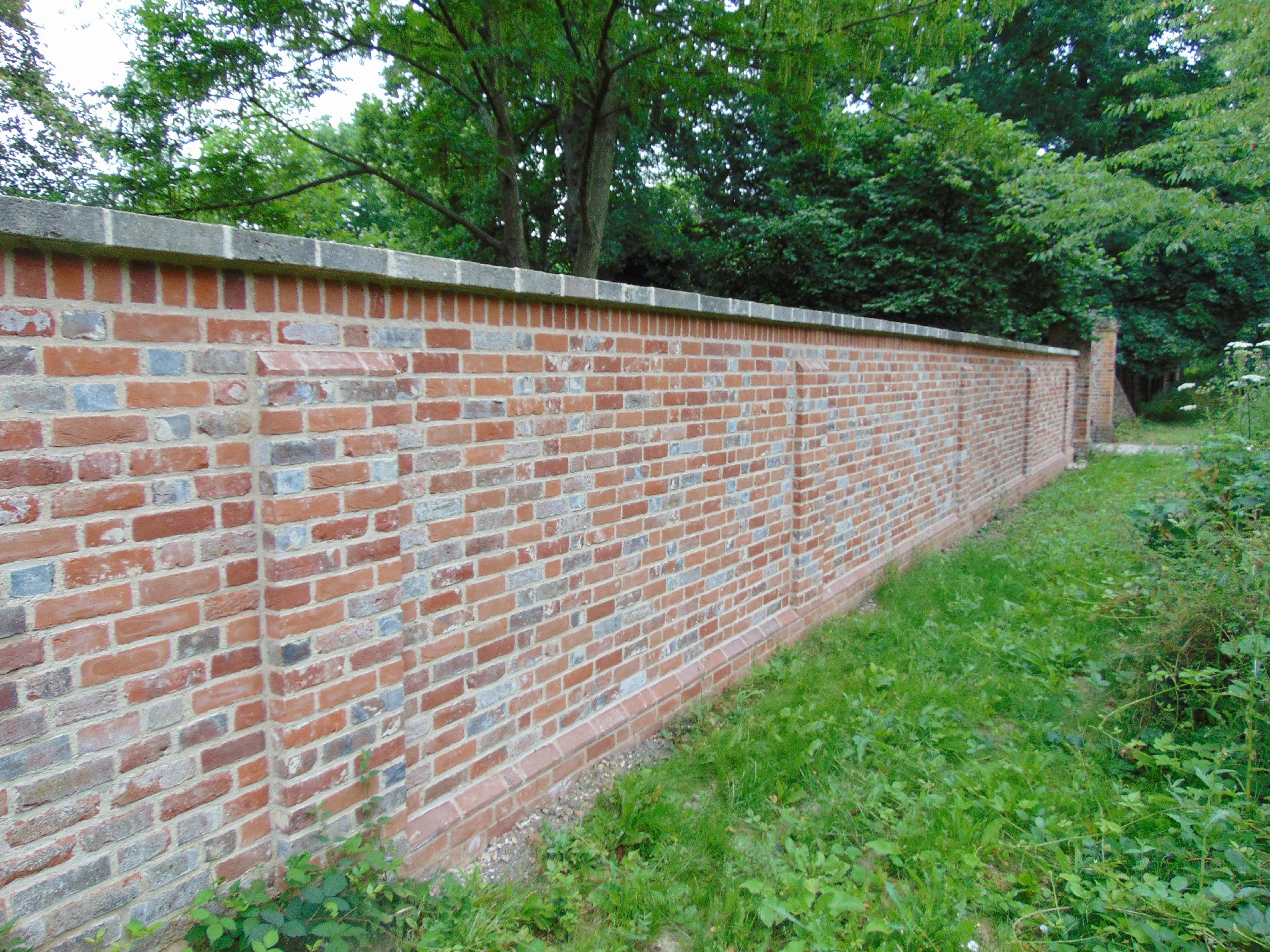
Historic brickwork is repointed by carefully removing damaged mortar without harming the surrounding bricks, matching the original mortar—typically a breathable lime mortar—then damping the joints and applying the new mortar in thin, compacted layers. The joints are finished to match the building’s historic pointing style, and the work is protected during slow curing to prevent cracking, frost damage, or rapid drying.

For most historic buildings, lime mortar is preferred over cement because it is softer, more breathable, and allows moisture to evaporate naturally through the joints rather than the bricks themselves. Cement mortar is harder and less permeable, which can trap moisture, leading to damp, cracking, and damage to historic brick or flintwork. The correct choice depends on the age, condition, and construction of the building, but traditional masonry generally performs best with a compatible lime mortar.

Historic brickwork can crumble due to trapped moisture, frost damage, salt crystallisation, failed or inappropriate cement pointing, structural movement, or long-term weathering. In many older buildings, hard cement mortars prevent walls from breathing properly, forcing moisture through softer historic bricks and causing them to crack, spall, or deteriorate over time.