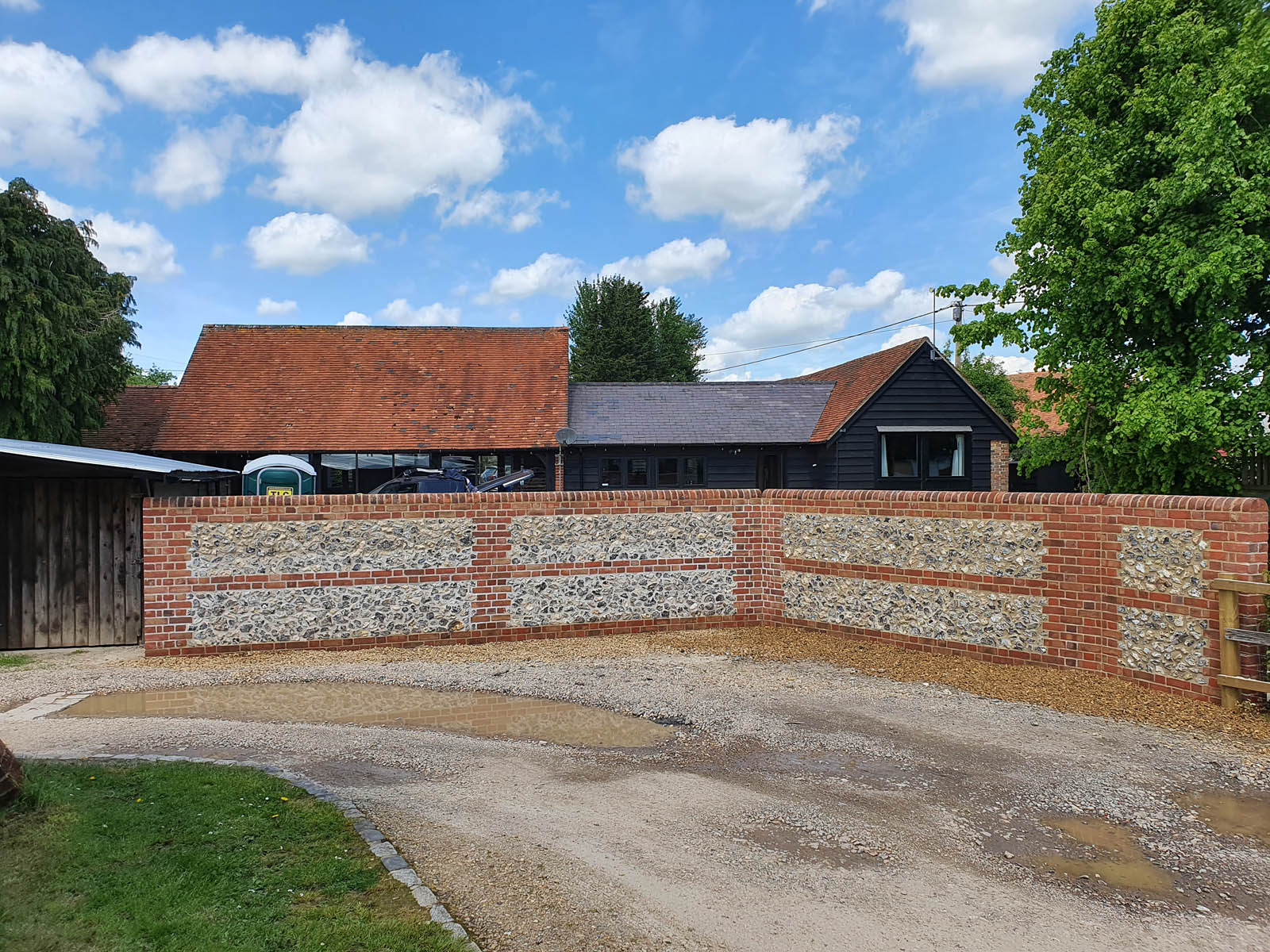
Conservation of Flint

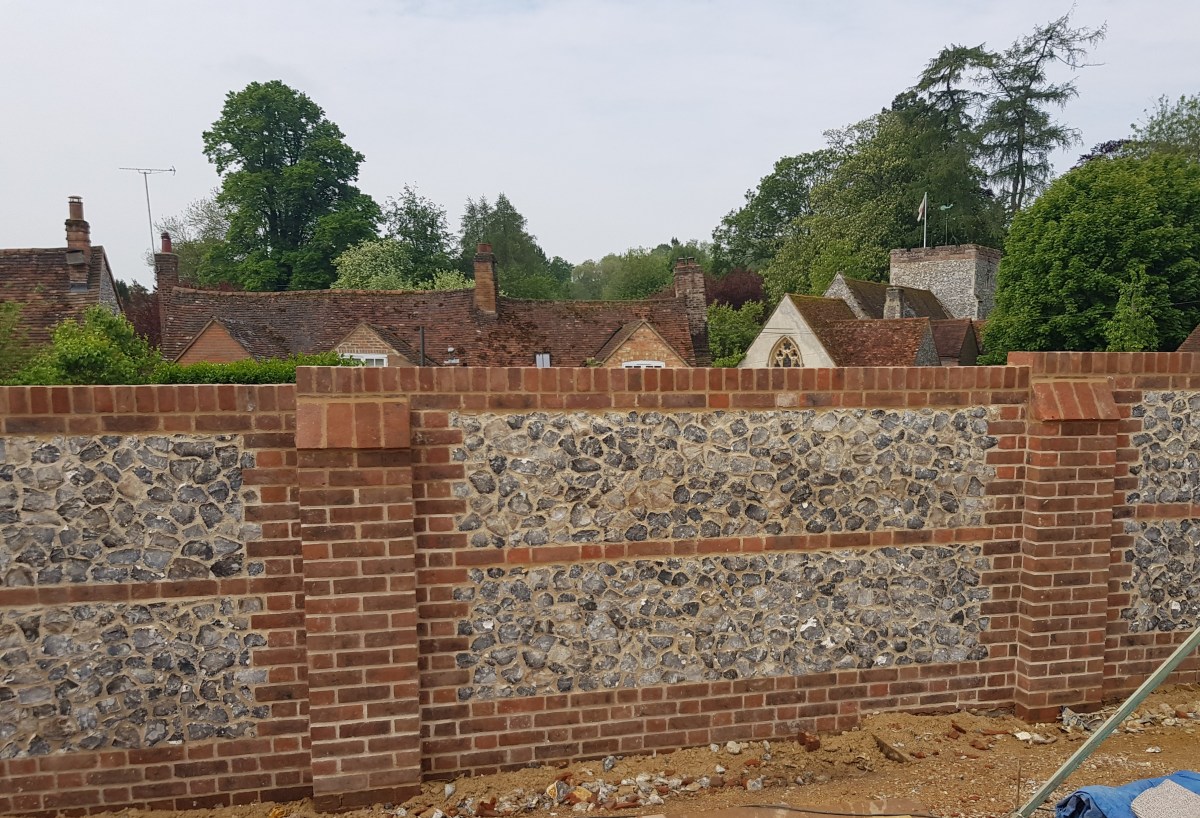
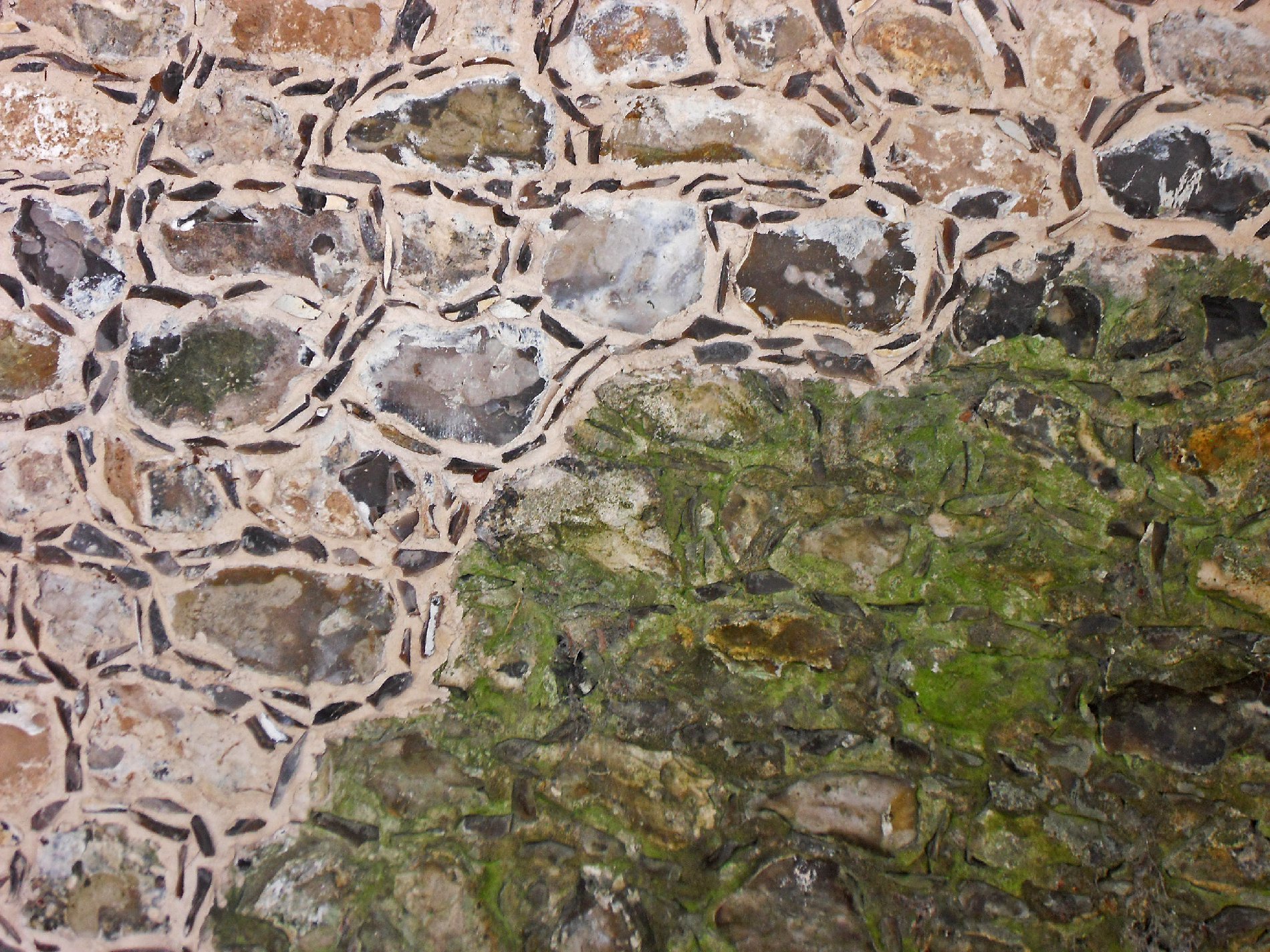
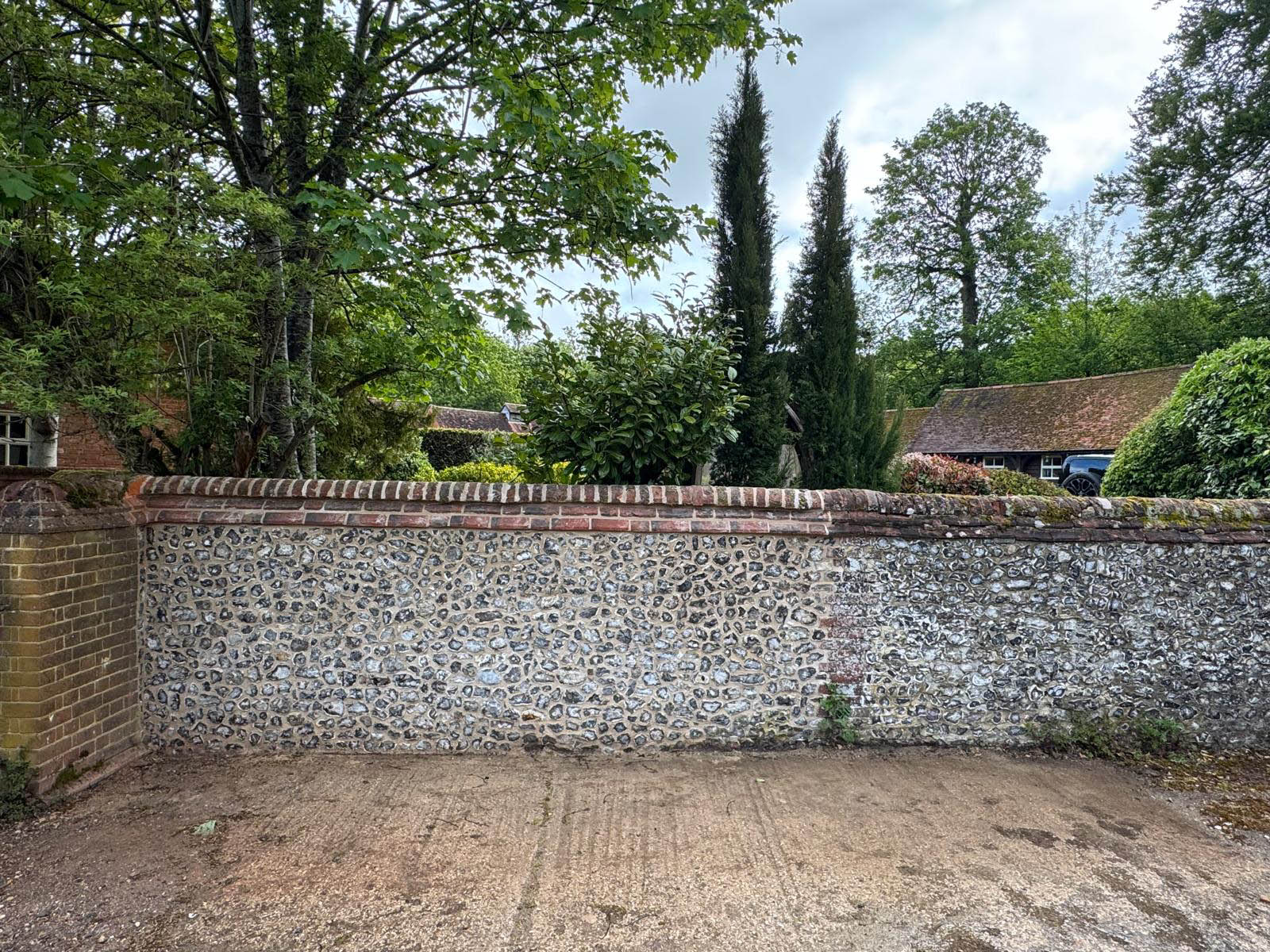
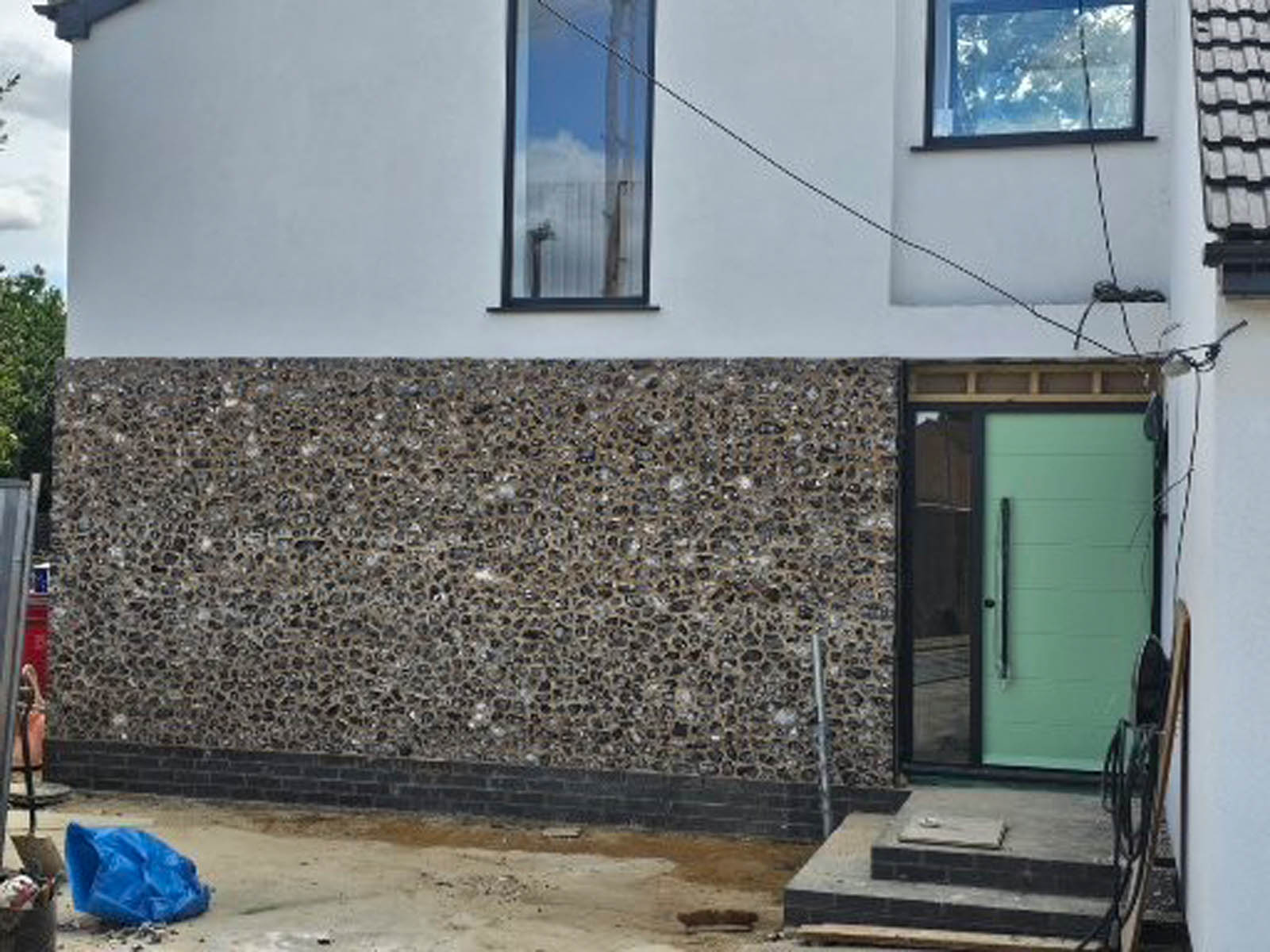
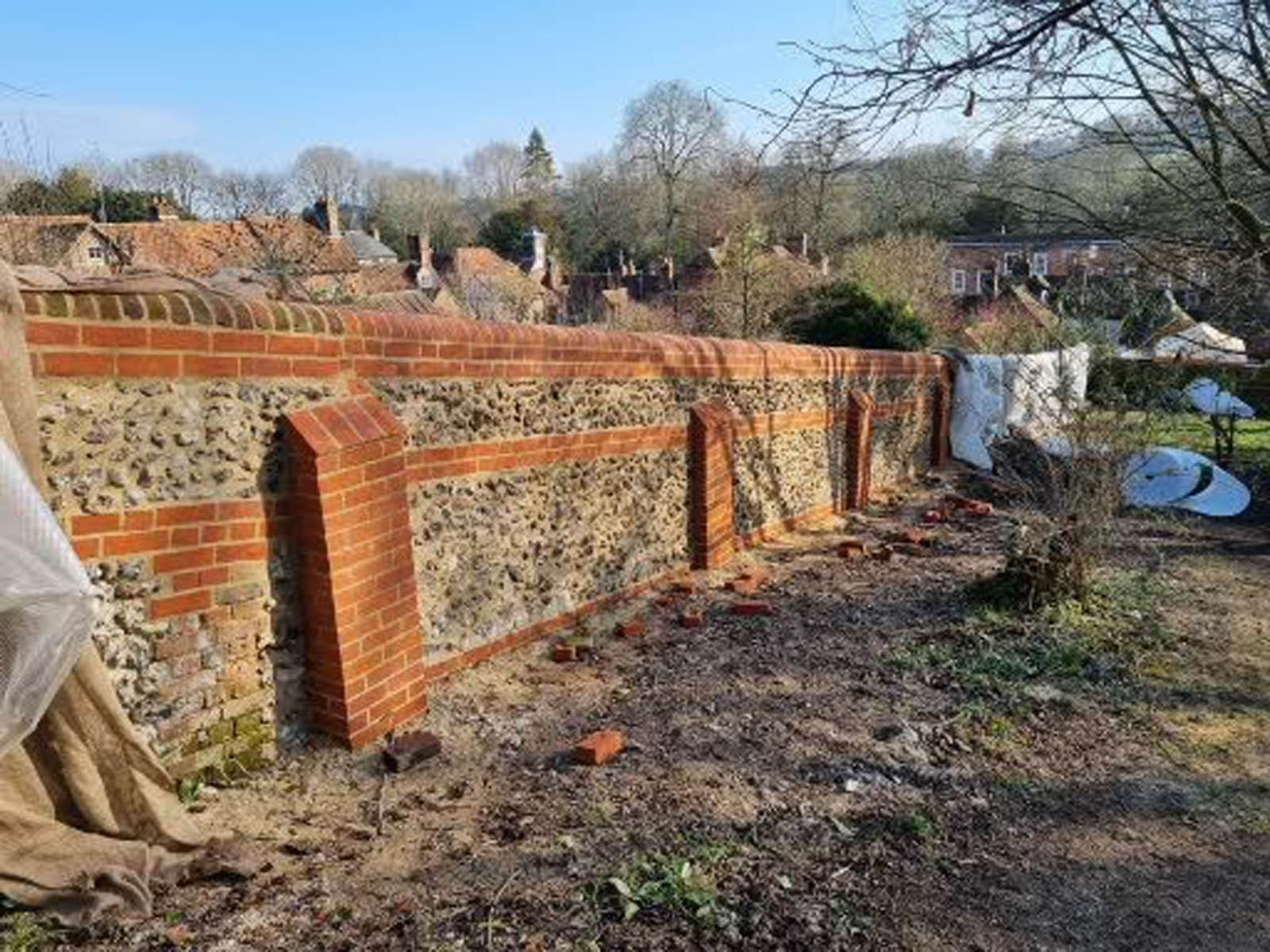
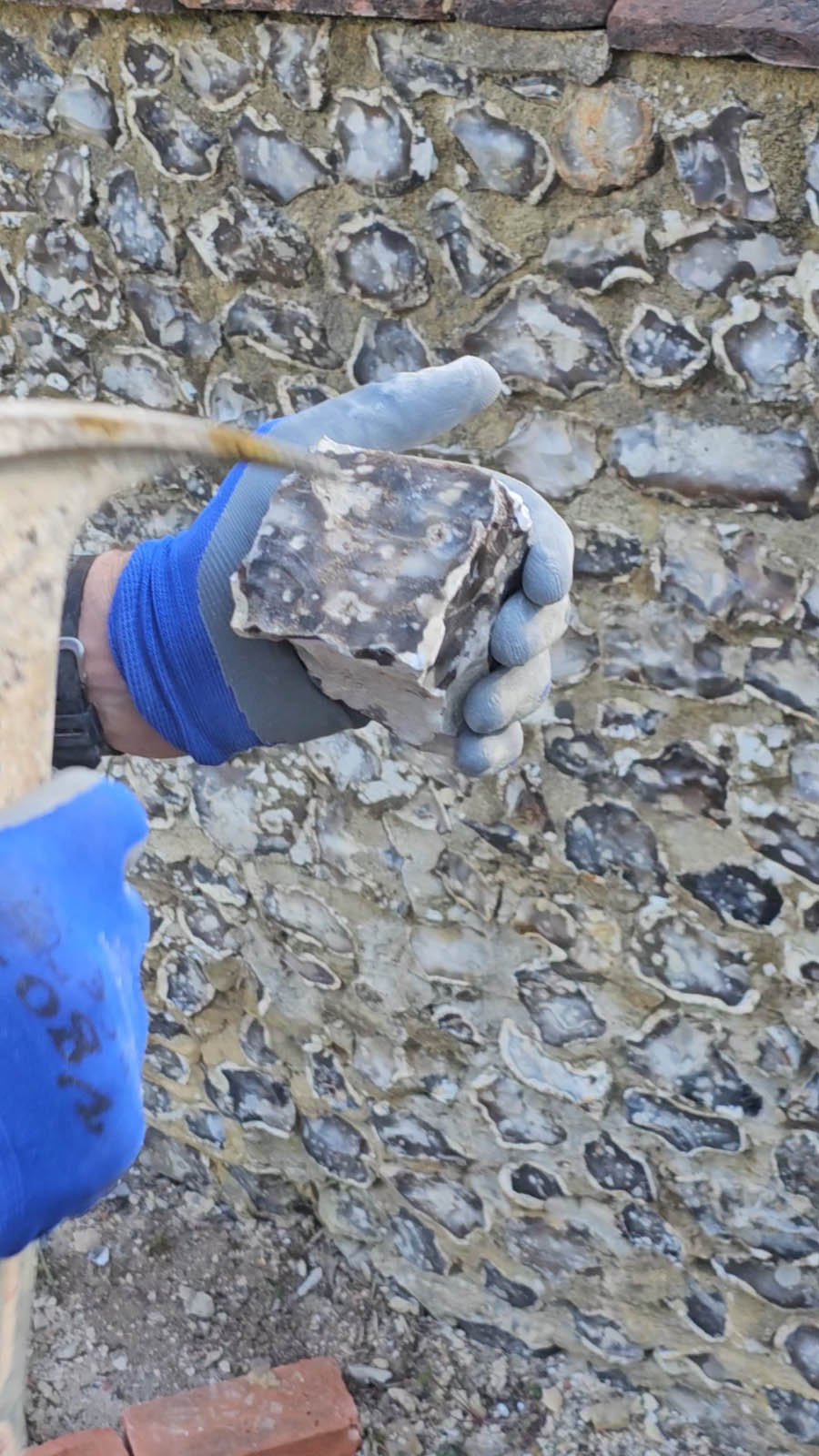
Ernest Barnes Ltd has a high level of expertise in this field. We have conserved flintwork for national organisations, churches and private individuals.  Our portfolio of conserved flintwork ranges from historic priory walls through to isolated patch repairs. We have an extensive knowledge of various flintwork styles and types that enables us to undertake the following:

  • Flint repairs to historic buildings and walls in the following styles:
    • Random
    • Knapped
    • Squared
    • Coursed
    • Chequered
    • Galletted
  • Use of traditional techniques and materials;
  • Repointing using historic joint profiles;
  • Structural repairs incorporating appropriate technologies such as crack stitching, anchors and grouting;
  • Stabilisation and realignment of flint structures;
  • Analysis of historic mortars;
  • The submission and management of listed building applications;
  • Writing of specifications and method statements.

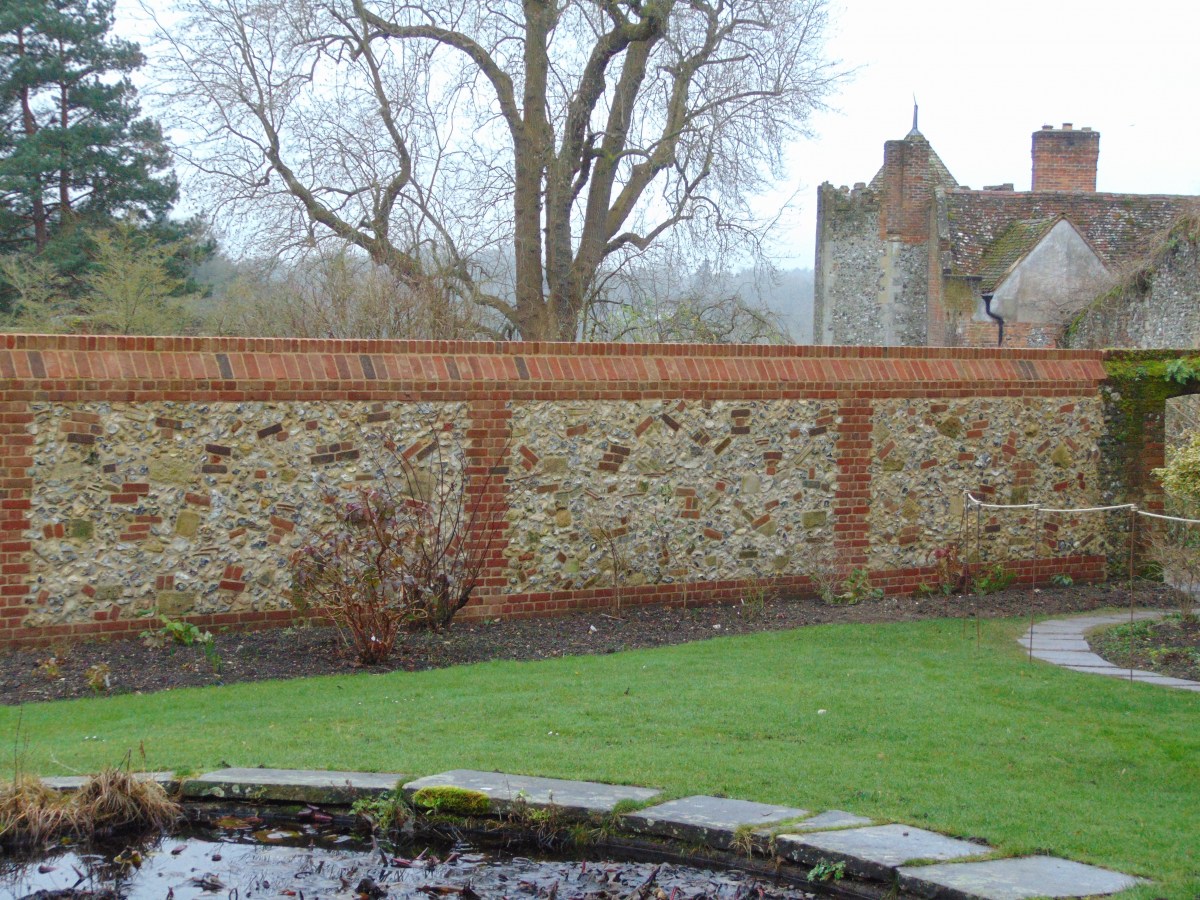
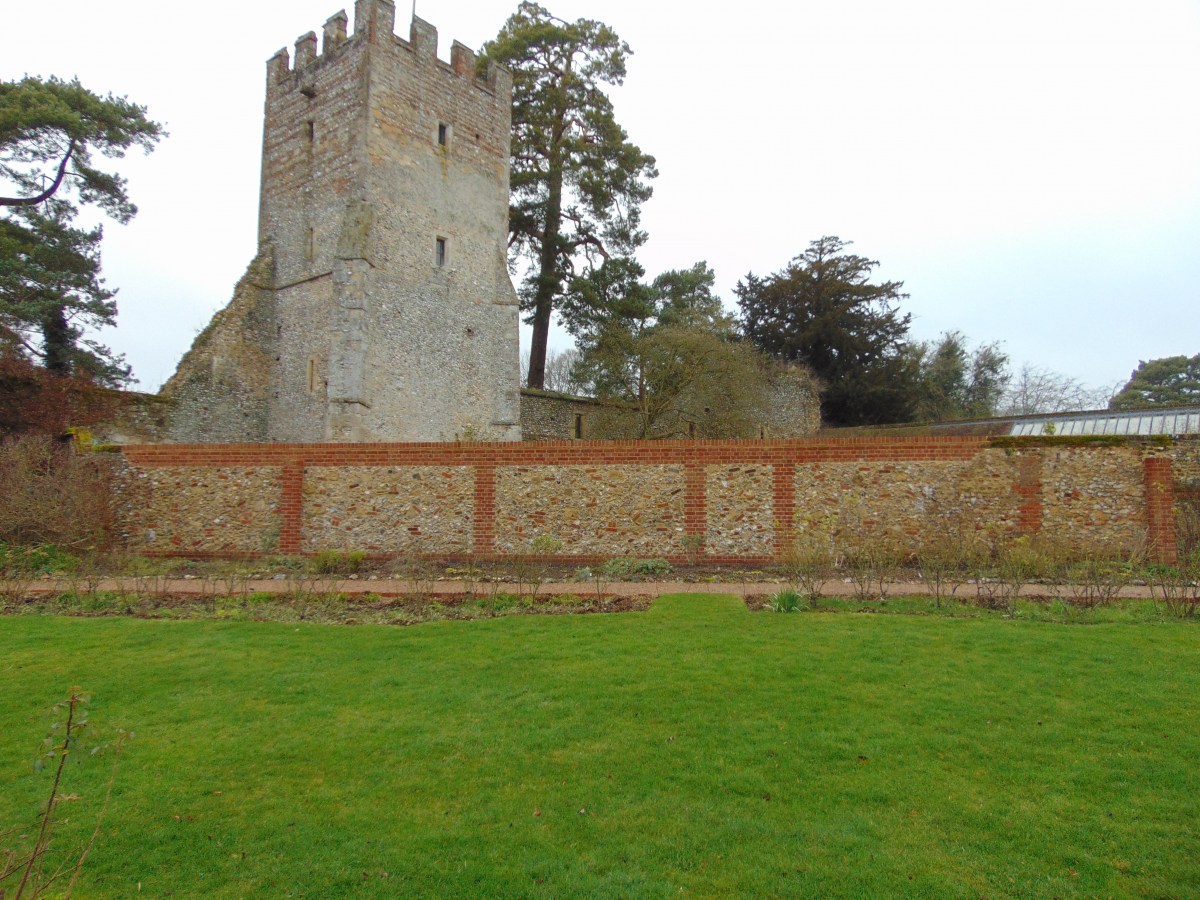
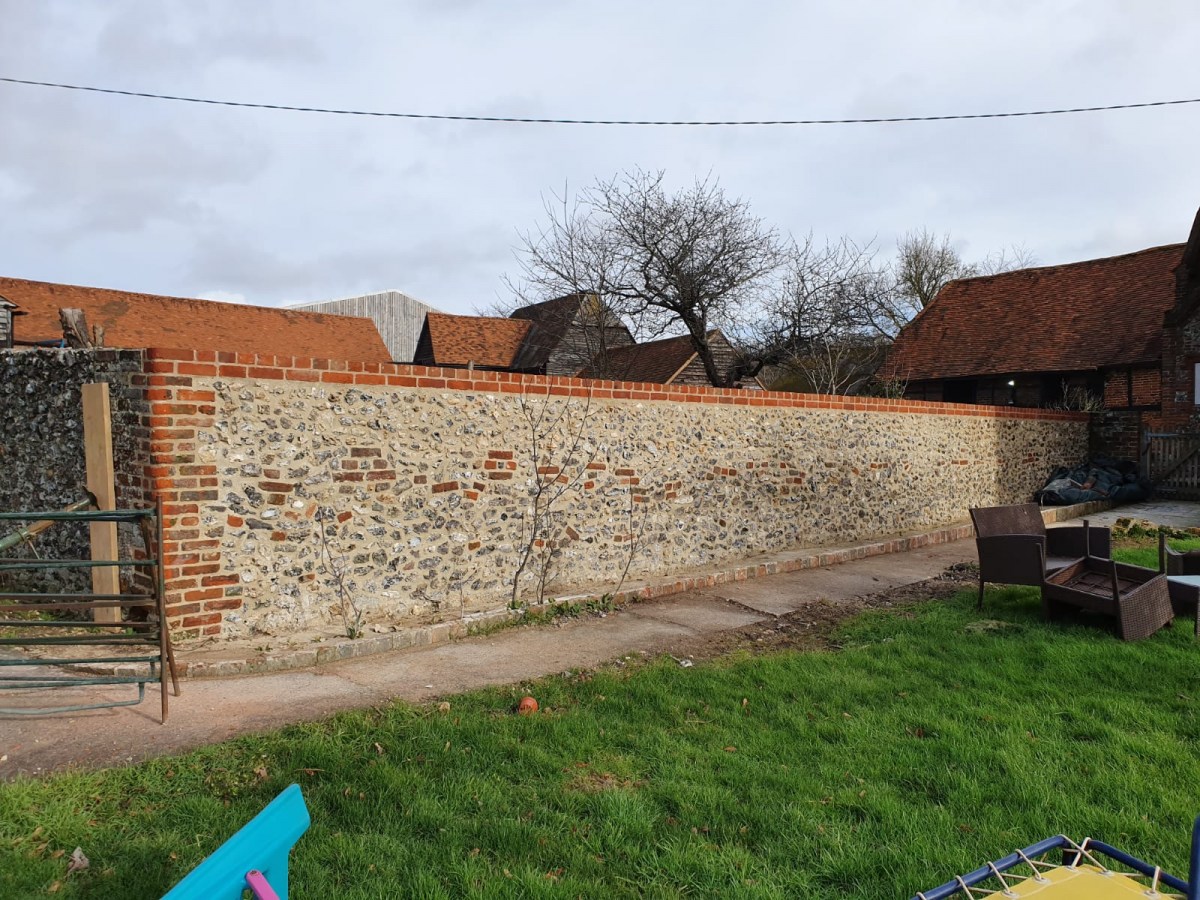
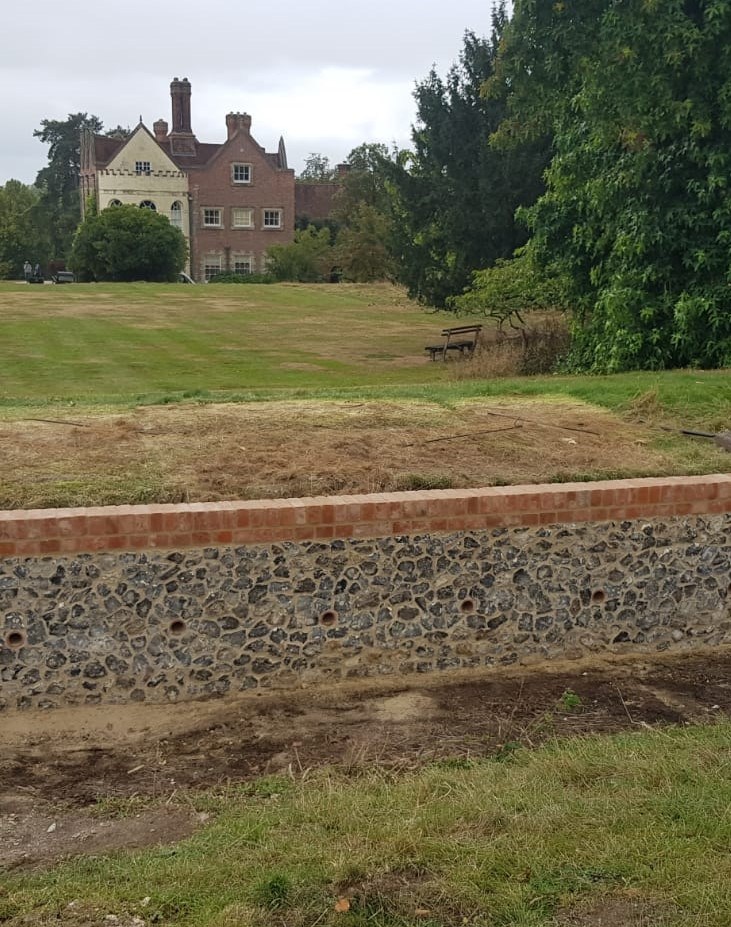
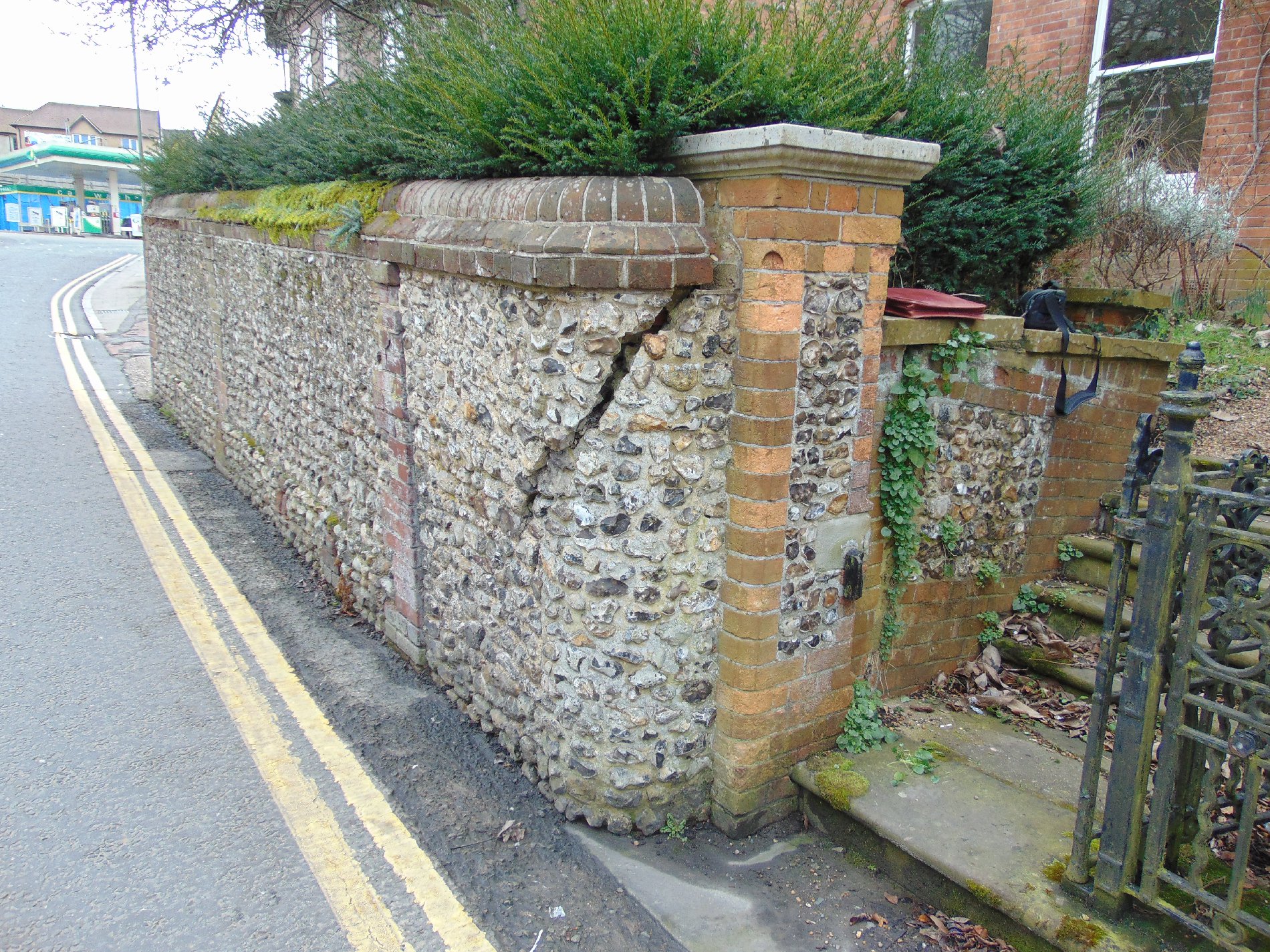
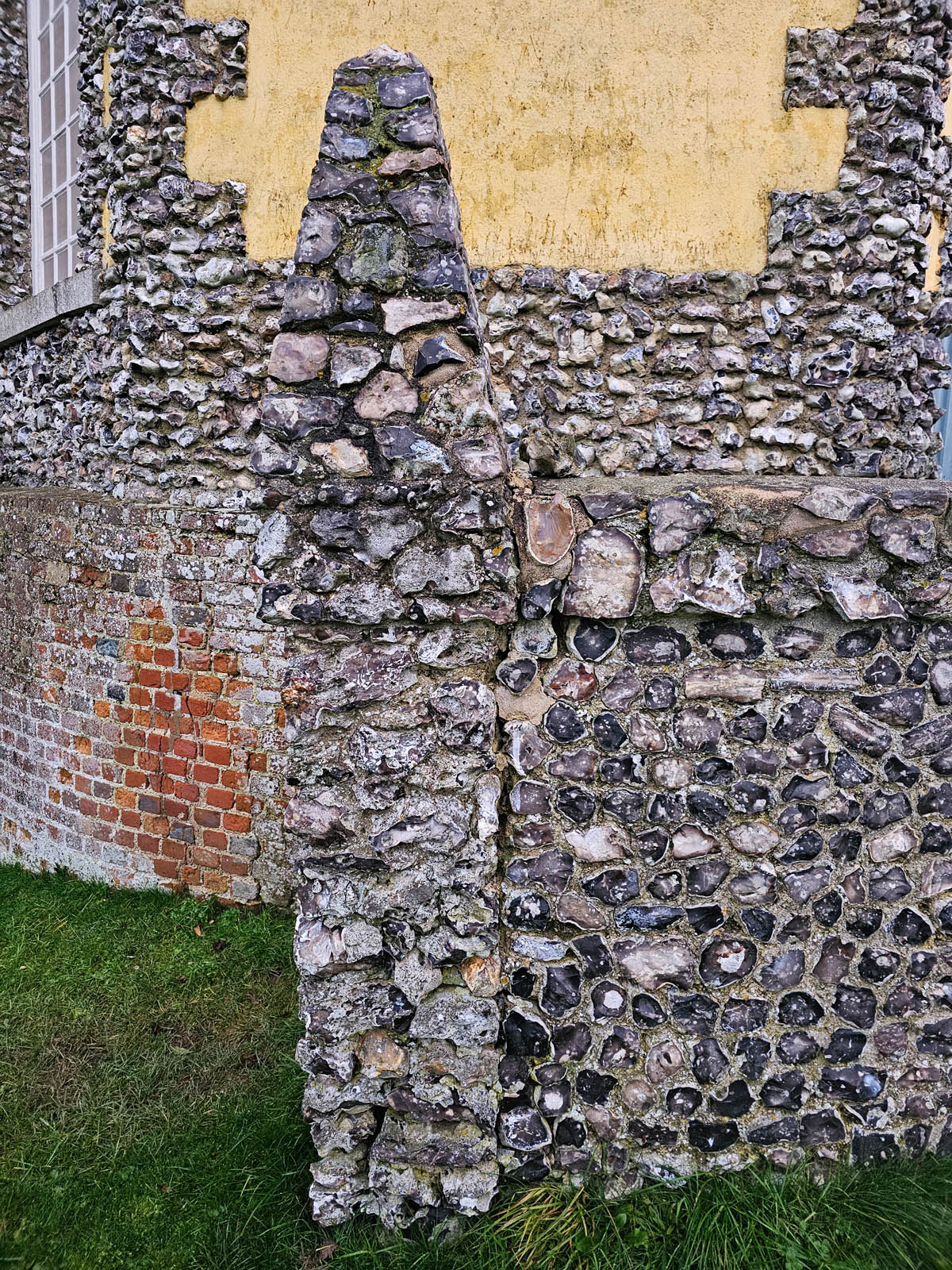
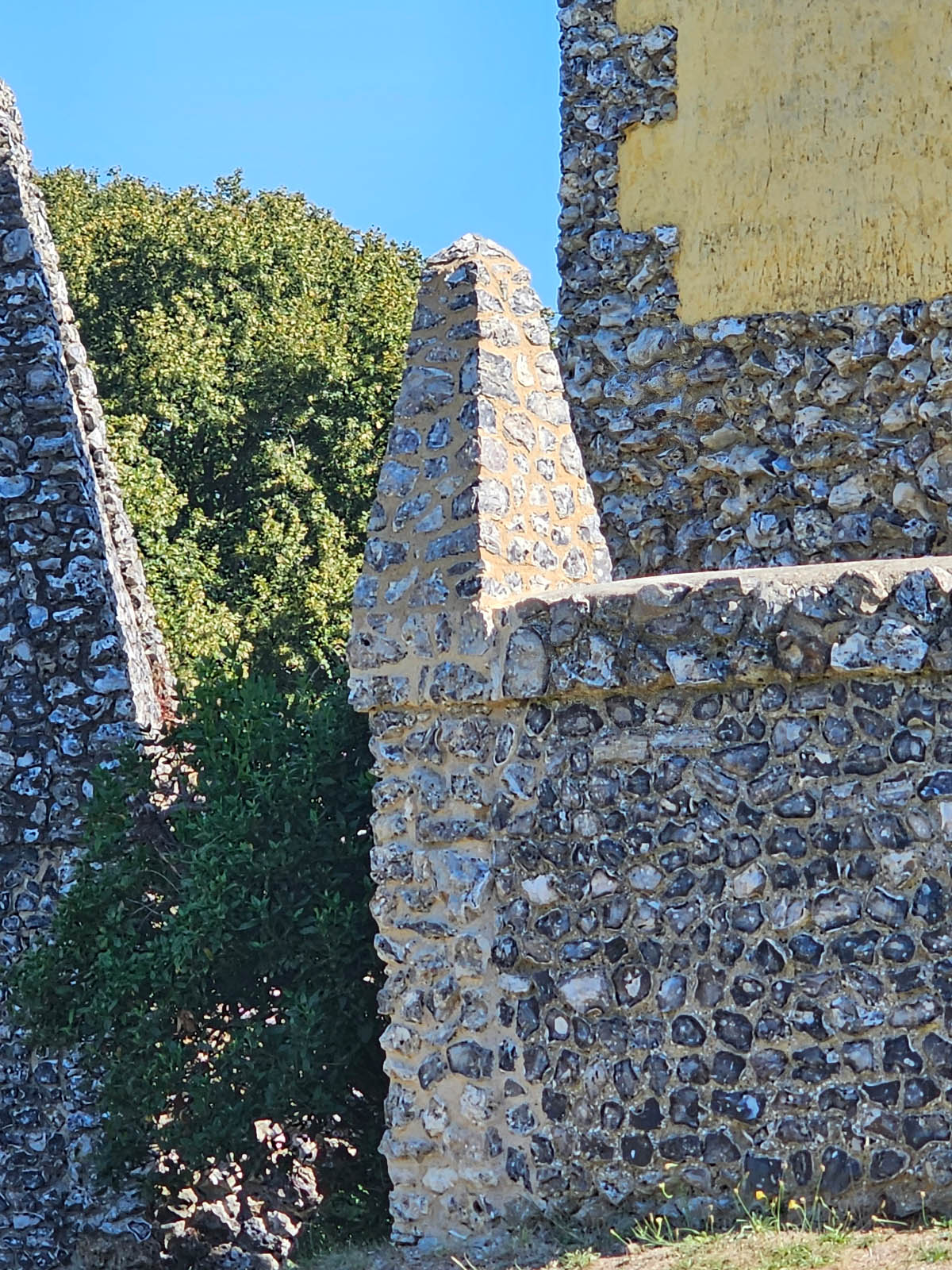
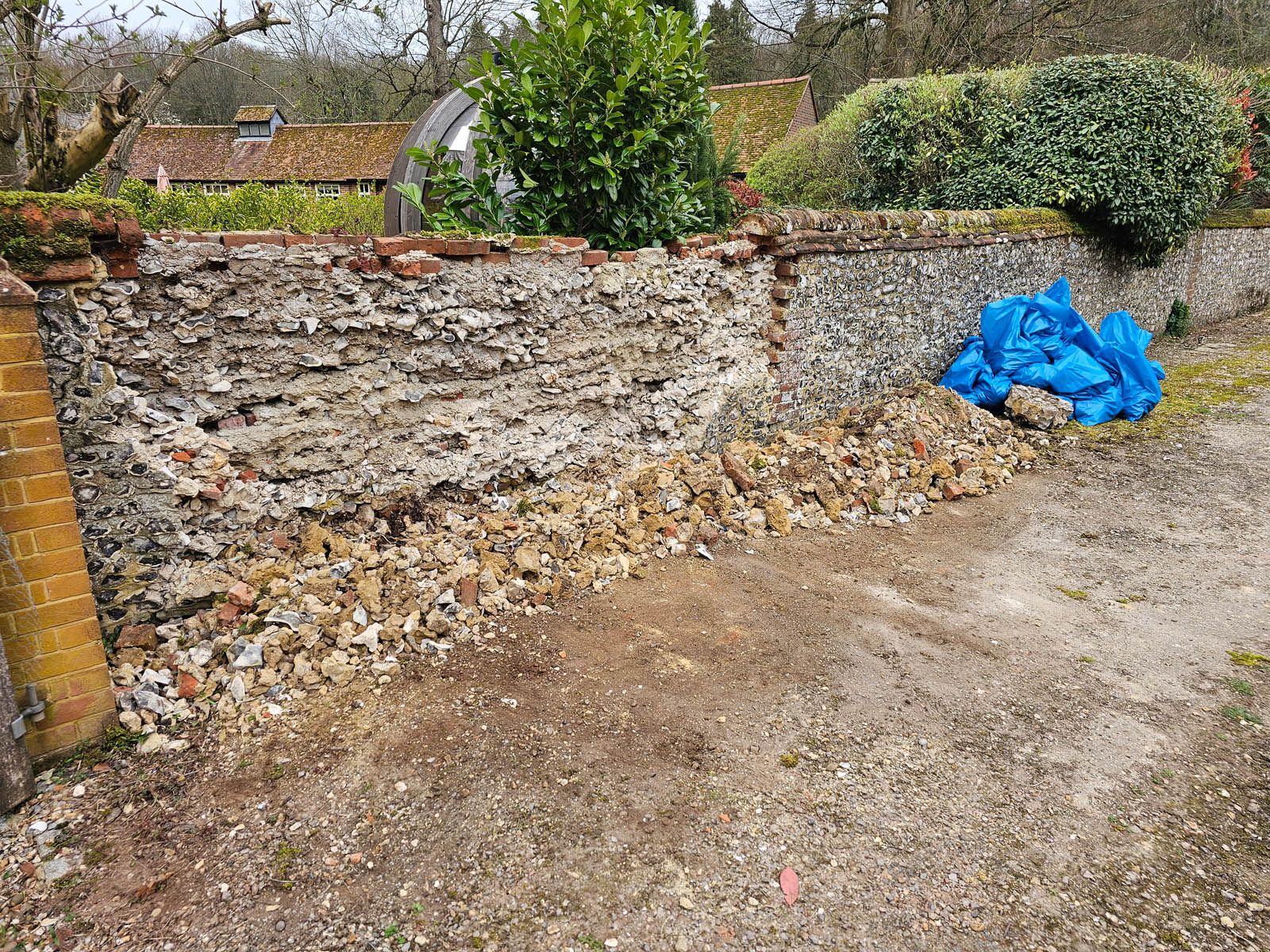
The photo gallery shows examples of recent projects.
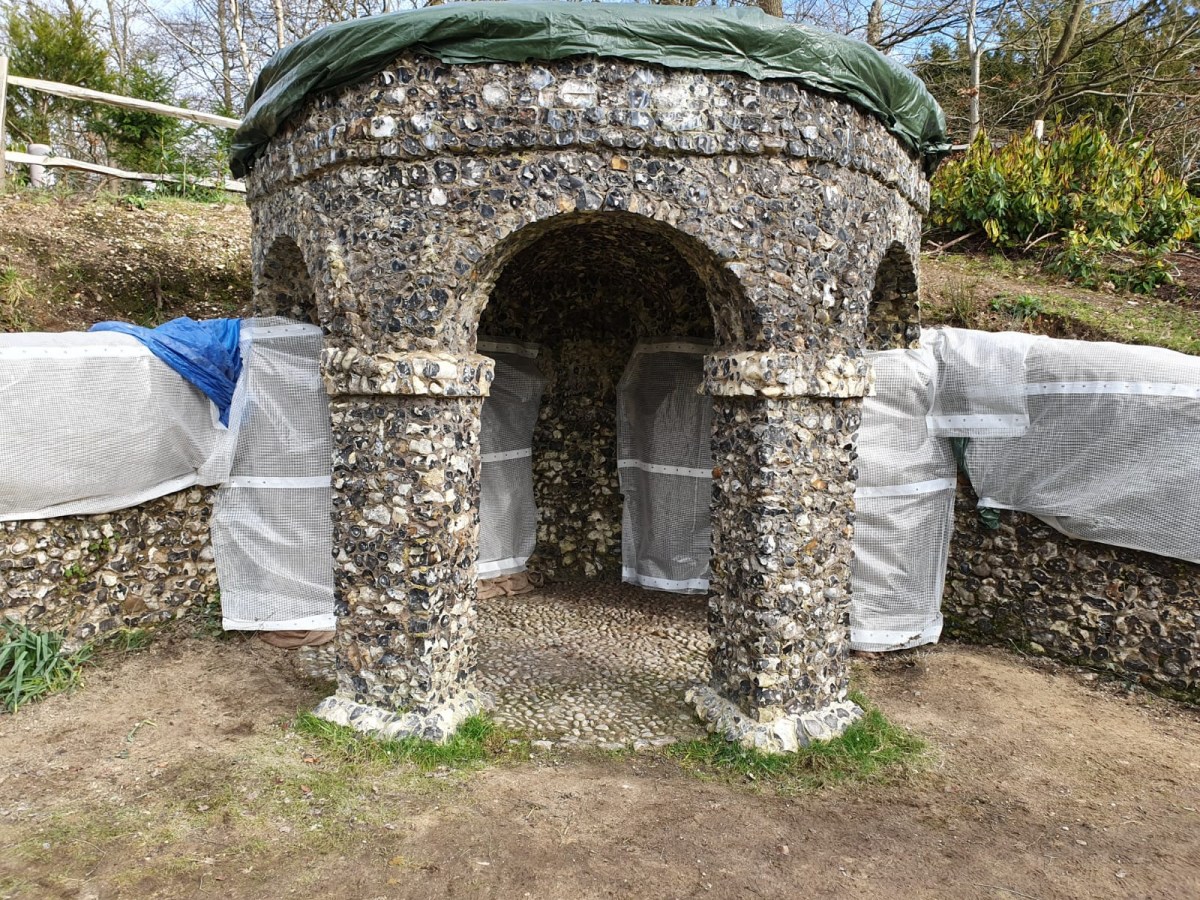
A flint wall is repaired by carefully removing loose or damaged flints and deteriorated mortar, then rebuilding affected areas using compatible lime mortar and re-bedding or replacing flints to match the original construction. The work is done in small sections to maintain stability, ensuring good keying between flints and mortar, and finished to match the existing face before being protected while the lime cures slowly.

Historic flint walls should generally be repaired using a breathable lime-based mortar, typically a lime putty or natural hydraulic lime mix, chosen to match the strength and permeability of the original construction. This allows moisture to move through the wall naturally and avoids damage caused by hard, impermeable cement mortars, which can lead to cracking, flint loss, and accelerated decay.

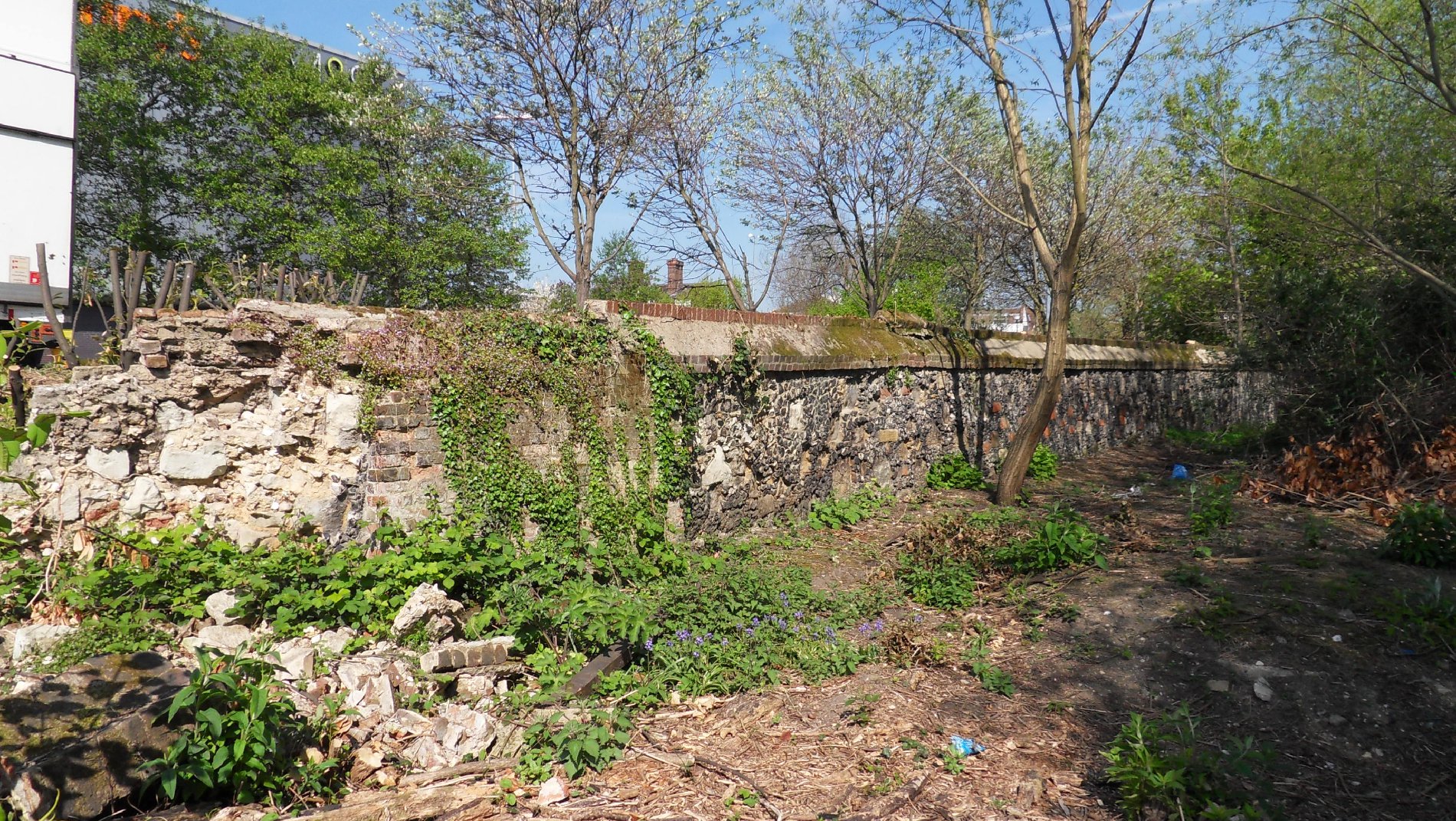
A historic flint wall may crumble or bulge due to failed lime mortar, moisture ingress, frost damage, or internal voids where the core has broken down, often worsened by vegetation growth or previous repairs using hard cement that traps moisture. Over time, these issues weaken the structure, causing flints to loosen, faces to detach, or sections of the wall to move outward as the internal support deteriorates.